


Mastering Golf Visualization Techniques for Success in South Africa
What is the concept of golf visualization, and how does it impact South African golfers?

Golf Visualization for Better Shots: Golf visualization is a powerful mental technique that involves crafting detailed mental images of successful golf shots and plays. In South Africa, this practice is highly significant, as golfers encounter a wide variety of courses and challenging environmental conditions. For example, by visualizing precise swings and putts, players can significantly enhance their focus and concentration. Research has shown that using visualization techniques can improve accuracy by up to 20%, particularly on courses that face the unpredictable wind typical of highveld links in Johannesburg. Many local professionals emphasize that mental imagery helps them manage the game's inherent unpredictability, making visualization an essential part of their training and performance strategies.
Take the renowned Royal Cape Golf Club in Cape Town, where breathtaking views and undulating greens create an ideal setting for golfers to practice visualization. By mentally rehearsing the ball’s trajectory amidst such stunning landscapes, players not only refine their technique but also build their confidence. Whether novices or seasoned players, golfers in South Africa consistently find that visualization helps them better manage their mental state, especially during high-pressure tournaments.
Essential Components of Visualization Techniques Employed by South African Golfers
Golf visualization in South Africa goes beyond merely picturing a flawless swing; it encompasses a range of structured techniques players use to enhance focus and improve shot accuracy. A key component is mental rehearsal, in which golfers visualize executing shots across various terrains, such as the coastal greens of the Western Cape. This practice not only sharpens precision but also helps minimize errors by enabling golfers to foresee challenges they might encounter during actual gameplay.
Another vital aspect is simulating real game scenarios. Many South African golfers incorporate these mental exercises into their daily routines to condition their minds to respond positively to the diverse situations they may face on the course. For instance, a player might visualize a crucial shot over the water hazards at Fancourt, mentally rehearsing wind direction and club selection to ensure success during their round. This preparation effectively reduces anxiety and cultivates a heightened sense of readiness, ultimately improving performance metrics during play.
Time to Listen In?

Popular Tools for Enhancing Golf Visualization Among Local Golfers
Numerous South African golfers are embracing cutting-edge technology to enhance their visualization practices. Various apps and mental drills designed specifically for the region's unique conditions, such as the dry fairways of Pretoria, are gaining traction among local enthusiasts. These tools not only facilitate visualization exercises but also provide golfers with essential performance feedback, which is indispensable for ongoing improvement.
Among the preferred visualization tools are guided meditation apps that let users visualize their swings while enjoying soothing music that mimics the natural sounds of a golf course. Additionally, some golfers use video analysis software to record their swings, allowing them to visualize the perfect shot frame by frame. This fusion of technology and mental practice not only supports consistent progress but also enhances shot outcomes, making these tools an invaluable part of the golfer's arsenal in South Africa.
How Does Golf Visualization Improve Shot Accuracy for South African Golfers?

What factors influence visualization techniques on South African golf courses?
Golf visualization is heavily influenced by the diverse weather conditions and varying elevations found across South Africa. For example, the high altitude of the Drakensberg can alter how players perceive distance and shot trajectories. Golfers must adapt their mental imagery to account for these factors, which often results in improved distance control and fewer mishits during practice sessions. By regularly visualizing shots in these unique environments, players develop a more intuitive understanding of how to execute them effectively.
Moreover, the different terrains throughout South Africa—from the lush greens of courses in KZN to the arid landscapes of the Karoo—necessitate golfers to tailor their visualization techniques accordingly. This regional variation means successful visualization must account for these differences, ensuring golfers can accurately predict how their ball will react upon landing. This adaptive approach not only bolsters confidence but also enhances overall accuracy.
Why Do South African Golfers Trust Visualization for Coping with Windy Conditions?
Strong winds pose a significant challenge for South African golfers, particularly on Durban's coastal courses. To navigate these conditions effectively, players have adapted their visualization techniques to better account for the wind's impact on their shots. This adaptation has led to more consistent swings and higher success rates in local tournaments, where visualizing the ball's flight path in windy conditions is crucial.
Visualization helps golfers forecast how wind will affect their shots, enabling real-time adjustments. For example, when a player visualizes their drive on a blustery day at Umhlanga, they may focus on the clubface angle and the ball's trajectory to counteract the wind's effects. This mental rehearsal builds resilience and sharpens shot accuracy, enabling players to navigate environmental challenges with confidence.
What Steps Can Golfers Take to Integrate Visualization into Their Daily Practice Routines?
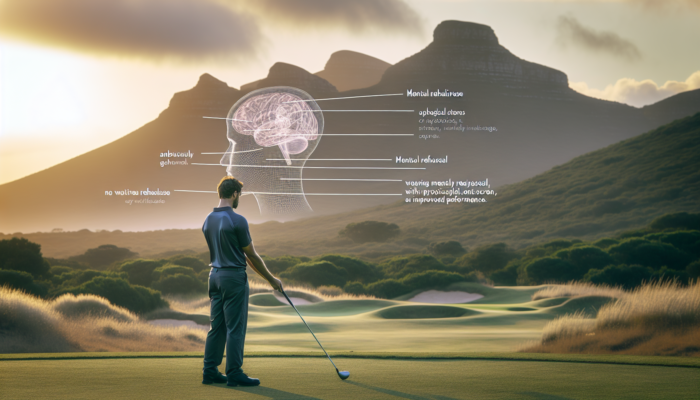
Incorporating visualization into daily practice routines can be transformative for golfers aiming to elevate their performance. Here are several actionable steps to establish an effective visualization regimen tailored to South Africa's unique golf courses:
- Concentrate on terrain-specific imagery: Visualize shots that correspond with the distinctive characteristics of the course you are playing.
- Commit to regular mental rehearsals: Set aside time each day to visualize successful shots, helping forge neural pathways linked to improved performance.
- Merge physical practice with mental imagery: While on the course, alternate between real swings and mental imagery to reinforce learning.
- Assess your progress: After a practice session or a round, reflect on how visualization influenced your performance and adjust your mental techniques as necessary.
By integrating these steps into their routines, golfers in South Africa can substantially enhance their shot accuracy. Emphasizing local conditions during visualization strengthens the link between mental preparation and actual performance on challenging courses.
Insights from Experts on Golf Visualization for Enhanced Performance
How Do South African Experts Recommend Beginners Start with Visualization Techniques?
Experts in South Africa advocate for a structured approach to developing visualization skills, especially for beginners. Trainers in Cape Town recommend starting with simple mental imagery exercises that focus on the essential aspects of a golf swing. For instance, new players might picture the grip, stance, and follow-through of an ideal shot, creating a mental framework that guides their physical practice.
Additionally, local professionals often emphasize the importance of consistent practice in mastering these visualization techniques. For example, golfers attending training sessions at Milnerton Golf Club frequently engage in guided visualization exercises led by experienced coaches. Drawing on real-world examples from professional players who have succeeded in local tournaments, novices gain insights into how visualization can enhance shot precision across various South African links.
What Advanced Tips Do South African Golf Professionals Offer?
As golfers refine their skills, South African golf professionals suggest tailored visualization techniques that differentiate between inland and coastal settings. For instance, players based in Pretoria may focus on visualizing flat, dry fairways with minimal wind. At the same time, coastal golfers need to adapt their mental imagery to account for the unpredictable weather and rolling terrain at courses like St Francis Links.
Furthermore, advanced visualization techniques can include incorporating sensory details, such as the sounds and scents associated with different courses. For instance, visualizing the sound of ocean waves crashing against cliffs while preparing for a shot at a coastal course can create a more immersive experience. This level of detail enhances mental engagement, enabling players to improve their performance by deepening their connection to their surroundings.
How Do Experts Recommend Measuring Success in Visualization Techniques?
Specialists in South Africa advocate tracking progress through in-course metrics to assess the effectiveness of visualization techniques. Golfers can evaluate their performance by monitoring statistics such as greens in regulation, putts per round, and overall scores. These statistics provide valuable feedback on how well visualization strategies translate into enhanced results.
Additionally, experts encourage players to refine their methods based on this data. For example, if a golfer notices a decline in accuracy under certain weather conditions, they can focus on enhancing their mental imagery around those specific scenarios. This proactive approach not only helps players gain a competitive advantage but also fosters a culture of continuous improvement within the South African golfing community.
What Are the Key Benefits of Golf Visualization for South African Golfers?
How Does Visualization Help Reduce Errors on Challenging South African Terrains?
Golf visualization plays a crucial role in helping players overcome the unique challenges posed by South African terrain, including dunes, elevation changes, and tricky hazards. By mentally rehearsing their shots, golfers can significantly lower errors and bolster their overall confidence during rounds. For instance, players tackling the undulating courses along the Garden Route gain from visualizing their approach shots to the greens, considering how the terrain will influence their ball’s landing.
This mental preparation method helps golfers anticipate potential pitfalls, leading to more decisive, accurate shots. As they visualize their play, they also develop resilience against the mental challenges posed by these dynamic environments, fostering a sense of control and poise on the course. Consequently, this results in improved performance metrics and greater enjoyment of the game.
What Are the Notable Advantages for Amateur Golfers in Local Settings?
Amateur golfers in South Africa frequently experience tangible benefits from practicing golf visualization. This technique cultivates mental resilience against the variable weather conditions commonly encountered on the course. Players report that visualization helps them maintain focus throughout rounds, improving shot consistency and reducing the likelihood of frustration when faced with challenging circumstances.
Moreover, the ability to visualize success before executing a shot empowers amateur players to approach each round with a positive mindset. As they mentally rehearse their swings, they build confidence in their skills, which translates to enhanced performance. Club members have observed that incorporating visualization techniques into their practice routines often leads to significant improvements in their handicaps, making the sport more enjoyable and competitive.
What Are the Long-term Effects of Golf Visualization on Overall Game Performance?
Regular engagement with visualization techniques can yield sustained benefits for South African golfers, particularly in their overall performance. Many players have reported improved handicap scores as a direct result of consistent mental imagery practice. This improvement is not merely anecdotal; it reflects a growing trend among local golfers who prioritize mental training as an integral part of their development.
Enhanced focus during rounds, improved shot accuracy, and reduced anxiety all contribute to a golfer's ability to compete effectively in national leagues and tournaments. As players incorporate visualization into their long-term training regimens, they build a foundation for ongoing success, enabling them to rise through the ranks and achieve their golfing aspirations.
How Does Golf Visualization Enhance Mental Preparation for South African Tournaments?
Golf visualization is essential for mental preparation amid the pressures of South African tournaments, including those on the Sunshine Tour. Visualization techniques help players mentally rehearse high-pressure scenarios, helping them navigate the competitive mental landscape. This preparation fosters heightened focus and significantly diminishes anxiety levels before and during events.
Players who integrate visualization into their pre-tournament routines often report stronger performances as a result. By visualizing themselves executing successful shots in front of an audience, they instill confidence in their abilities to perform under pressure. This mental rehearsal not only aids skill execution but also nurtures enjoyment and fulfillment in the game, enabling players to flourish in competitive settings.
What Unique Advantages Does Visualization Offer Female Golfers in South Africa?
For female golfers in South Africa, golf visualization is a powerful tool for building mental resilience against the unique challenges they may face, such as societal expectations and physical demands. By using visualization techniques, women in the sport can cultivate a strong mental approach that improves shot consistency and boosts confidence during play.
This practice also encourages greater participation in women's leagues nationwide, empowering female players to embrace the sport and its competitive elements. Through visualization, they challenge stereotypes and extend beyond perceived limitations, fostering an inclusive environment that benefits all players and highlights the talent within South Africa's female golf community.
Research-Backed Advantages of Golf Visualization for Enhanced Performance
What Research Supports the Effectiveness of Visualization in South African Golf?
Research conducted at local universities has demonstrated a clear connection between golf visualization and improvements in swing mechanics, particularly on South Africa's diverse golf courses. Studies indicate that players using visualization techniques achieve higher shot accuracy, with data showing significant success rates among participants in regions such as KwaZulu-Natal.
These findings underscore the empirical support for visualization practices among golfers, confirming that mental strategies can be as effective as physical techniques in boosting performance. As more players adopt these methods, the landscape of South African golf may shift toward a balanced emphasis on both mental and physical training for optimal results.
What Practical Applications Emerge from South African Studies on Visualization?
Research shows that exercise can improve shooting. Analysis suggests that when golfers visualize specific shots and conditions during practice, they report a 15% improvement in overall performance.
These practical applications are invaluable for golfers seeking to refine their skills. By incorporating visualization into their daily practice, players can deepen their understanding of their abilities and how to adapt them to various scenarios they may encounter on the course.
How Can Golfers Apply These Research Insights to Everyday Play?
In South Africa, applying research-backed methods to everyday play involves implementing routine drills that build shot precision. Players can benefit significantly from integrating visualization into their practice sessions, particularly when adapting to local conditions in the Free State. Here are some strategies for personalized training:
- Visualize specific shots relevant to the conditions you'll face on the course.
- Incorporate both mental and physical drills during practice sessions.
- Seek feedback from coaches regarding how visualization influences your performance.
- Track your progress by documenting key metrics after each round.
By diligently applying these insights, golfers can create a customized training experience that enhances their skills and prepares them for the challenges presented by South African golf courses.
Proven Strategies for Effective Golf Visualization in South Africa
Why Is Mental Preparation Essential for Overcoming South African Golf Challenges?
Mental preparation is vital to tackling the numerous challenges golfers face in South Africa. The country’s courses often feature uneven fairways, difficult weather conditions, and unique hazards. Mental preparation, facilitated by visualization, equips players with the tools to maintain focus and execute reliable shots in crucial games.
When golfers engage in visualization, they prepare their minds to handle these obstacles effectively. They can envision themselves overcoming complex challenges and adapting to changing conditions, fostering confidence. This mental readiness translates into improved performance on the course, empowering players to confront even the most demanding challenges with composure.
How Do Local Professionals Tailor Strategies for Different Regions?
South African golf professionals have developed customized visualization strategies tailored to the diverse golfing environments across the country. For instance, players in the Karoo might focus on visualizing shots that account for the arid climate and variable terrain. At the same time, those in Durban may focus on visualizing their play in humid coastal conditions. This tailored approach helps golfers maximize their performance by aligning their mental techniques with the specific challenges of their region.
Moreover, professional golfers often share insights from their experiences across various courses, encouraging players to adapt their visualization practices to local conditions. These strategies empower players to enhance their golfing skills while remaining attuned to the intricacies of their surroundings.
How Can Golfers Integrate Visualization Strategies with Physical Training Routines?
Combining visualization strategies with physical training routines is essential for South African golfers striving for consistent improvement. When players engage in mental imagery alongside on-course drills, they reinforce their learning and adopt a more holistic approach to enhancing their game. This integration enables golfers to develop muscle memory and mental acuity simultaneously, leading to greater overall effectiveness.
For instance, golfers can alternate between completing a series of practice swings and visualizing successful outcomes. This method solidifies their understanding of how their bodies should move during a successful shot and mentally prepares them for a variety of scenarios. This dual approach not only enhances performance but also fosters resilience, empowering players to tackle the unique challenges presented by South African golf courses.
Innovative Techniques for Golf Visualization in South Africa
What Advanced Methods Can Enhance Precision on Local Golf Links?
Advanced visualization techniques have emerged, significantly improving shot precision on South African golf links. One such approach uses dynamic imagery to let players visualize complex shots in real time. This technique extends beyond basic mental rehearsal, encouraging golfers to integrate sensory details into their visualization process, leading to better performance even on the most challenging courses.
For example, golfers might imagine the sound of their club striking the ball while simultaneously considering the ball's trajectory as it arcs through the air toward the hole. This multi-dimensional approach to visualization fosters a more immersive experience, ultimately enhancing focus and precision during actual play.
How Are Visualization Techniques Evolving Based on Feedback from South African Golfers?
The evolution of visualization techniques in South Africa is largely influenced by feedback from local players. Many golfers in Johannesburg have shared their experiences, prompting coaches to refine visualization practices continually. This ongoing dialogue between players and professionals leads to the development of more effective methods that resonate with the unique play styles and conditions across the country.
As players communicate their insights, coaches can adapt instructional techniques, ensuring their guidance remains relevant and effective. This collaborative approach not only enhances individual performance but also fosters a sense of community within the South African golfing landscape, encouraging players to learn from one another.
What Are the Future Trends in Visualization for South African Golf?
Emerging trends in golf visualization are integrating technology and mental coaching, promising to transform how golfers prepare for play in South Africa. Innovations such as virtual reality are increasingly being adopted as tools to help golfers simulate local courses, enabling them to practice mental imagery for tricky shots across diverse landscapes, including the challenging dunes of Sandwich Bay.
As technology continues to evolve, South African golfers will gain access to increasingly sophisticated visualization tools. These advancements are expected to enhance shot accuracy, performance, and the overall enjoyment of the game, positioning golfers to excel in an increasingly competitive environment.
How Is Virtual Reality Being Integrated into South African Golf Visualization?
In South Africa, the use of virtual reality tools is gaining traction among golfers seeking to enhance their visualization. By using immersive technologies, players can simulate courses such as Simola Golf Estate or the picturesque Arabella Golf Club, allowing them to practice mental imagery in a realistic environment. This level of engagement fosters a deeper connection with the course, thereby enhancing both precision and confidence when they finally play.
Virtual reality enables golfers to rehearse specific shots without being physically present on the course. Players can visualize how they would tackle challenges, such as selecting the appropriate club or navigating tricky hazards. This practice not only sharpens their mental clarity but also prepares them to adapt their strategies to the unique demands of each course they encounter in South Africa.
How Can Golfers Customize Visualization Techniques for Weather Challenges in South Africa?
Golfers in regions such as the Western Cape must adapt their visualization techniques to account for the area's variable winds and unpredictable rainfall. By mentally rehearsing adjustments for these conditions, players can significantly enhance their shot accuracy and build resilience against the challenges posed by the local climate.
This customized approach to visualization enables players to envision how their shots will behave in gusty conditions, allowing them to make necessary adjustments before stepping onto the course. During practice sessions, golfers can focus on visualizing different club selections and techniques optimized for prevailing weather conditions, ultimately improving performance in real-world scenarios.
Frequently Asked Questions
What is golf visualization?
Golf visualization is a mental technique in which players form mental images of successful shots, helping them improve focus and accuracy during play.
How can South African golfers benefit from visualization?
Visualization helps South African golfers improve shot accuracy, manage mental resilience in adverse weather conditions, and boost overall performance in tournaments.
What are some visualization techniques used by local golfers?
Local golfers often practice mental rehearsal, engage in guided imagery, and use technology, such as apps, to enhance their visualization skills.
Why is visualization important for windy conditions?
Visualization helps golfers anticipate how wind will affect their shots and make necessary adjustments, leading to improved performance in challenging conditions.
How can amateur golfers integrate visualization into their practice?
Amateur golfers can integrate visualization by concentrating on terrain-specific imagery, engaging in regular mental rehearsals, and reviewing their progress after practice sessions.
What role do coaches play in golf visualization?
Coaches help golfers refine their visualization techniques, providing insights and feedback on how these methods can improve performance on the course.
Are there specific apps for golf visualization?
Yes, there are various apps designed to assist golfers with visualization techniques, offering guided exercises and feedback tailored to different conditions.
How does visualization enhance tournament performance?
Visualization aids in mental rehearsal of high-pressure scenarios, helping golfers maintain focus and reduce anxiety during tournaments, leading to better performances.
What advanced techniques are available for experienced golfers?
Experienced golfers can utilize dynamic imagery, sensory details, and virtual reality tools to enhance their visualization practice and improve shot precision.
How does visualization contribute to long-term game improvement?
Regular use of visualization techniques improves shot accuracy, lowers handicaps, and yields sustained performance gains over time for golfers.