

Maximizing Performance with Quality Golf Club Cleaners
What Factors Contribute to the Effectiveness of Golf Club Cleaners?


High-quality golf club cleaners are essential for maintaining the performance and longevity of your clubs, particularly in South Africa's diverse climates. The country's varying weather conditions, from the humid coastal air of Durban to the arid heat of the Highveld, demand effective cleaning solutions. A reliable cleaner not only protects your investment but also enhances your game.
For example, players at the renowned Fancourt Golf Estate have reported notable improvements in shot accuracy and club durability when they regularly maintain their clubs with effective cleaning products. Such practical insights underscore the importance of selecting the right cleaning solutions to ensure optimal club performance.
The diverse weather patterns in South Africa present specific challenges for golfers, including increased humidity, which can cause rust or dirt buildup, and sandy conditions in the Eastern Cape. A well-formulated cleaning product can address these issues, helping preserve club performance and allowing golfers to concentrate on their game without the distraction of equipment deterioration.
By using cleaners tailored to local conditions, golfers will notice a significant improvement in the reliability and feel of their clubs, ultimately leading to a more enjoyable and effective golfing experience.
Which Types of Golf Club Cleaners Are Ideal for South African Conditions?
In South Africa, a variety of golf club cleaners are available, each tailored to address the specific challenges posed by the local environment. For instance, all-purpose cleaners are favored for their versatility, as they effectively eliminate dirt, grime, and residue without damaging club finishes. In contrast, rust inhibitors are crucial for players frequently exposed to humid conditions, as they protect club faces and shafts from corrosion.
Additionally, biodegradable cleaners are becoming increasingly popular among environmentally-conscious golfers. These products not only preserve club integrity but also promote sustainable golfing practices. Moreover, foam cleaners are particularly effective in reaching intricate areas, making them ideal for complex club designs. By understanding the various types of cleaners suitable for use in South Africa, golfers can make informed choices that help ensure their equipment remains protected and well-maintained, even in challenging conditions.
What Key Features Should You Look for When Choosing Golf Club Cleaners?
Choosing the right golf club cleaner requires a comprehensive understanding of several essential features tailored to South African golfers. One vital attribute is the cleaner's pH balance; a neutral pH ensures the product is gentle on club finishes while effectively removing dirt and debris. Cleaners that are too acidic or alkaline can cause damage over time, so making an informed choice is essential.
Ease of application is another significant factor to consider; cleaners that come in user-friendly spray bottles or foam formats facilitate quick and efficient maintenance during a busy day on the course. Additionally, look for products with quick-drying formulas, especially in warmer regions like the Karoo, where prolonged moisture can cause unwanted rust.
The ability of a cleaner to deliver a residue-free finish is also critical, as any leftover product can adversely affect clubface interaction with the ball, impacting performance. By focusing on these key features, golfers can ensure proper long-term care for their valuable equipment.
How Can You Select the Best Golf Club Cleaners for Your Needs?

What Factors Should Influence Your Selection Process for Cleaners?
When selecting the best golf club cleaners, several factors specific to the South African market come into play. Material compatibility is paramount; golf clubs are often constructed from various materials such as stainless steel, titanium, or graphite. A cleaner that works effectively on one material may not be suitable for another, which could lead to damage. Thus, understanding the materials of your clubs is crucial for selecting a cleaner that preserves their integrity and performance.
Cost is another important consideration for golfers in South Africa. While high-end professional-grade cleaners may promise remarkable results, they must also align with your budget, especially for avid golfers who play frequently. Local availability is essential as well; sourcing products from reputable suppliers can save time and transportation costs while ensuring you obtain quality items. By keeping these factors in mind, golfers can develop an effective maintenance routine that is both affordable and efficient.
What Are the Popular Golf Club Cleaner Options Available in South Africa?
In South Africa, various accessible golf club cleaners have gained popularity among golfers seeking to maintain their equipment effectively. Brands like Golf Pride and Club Clean offer high-quality products specifically formulated to address local conditions, ensuring clubs not only shine but also perform at their best. These cleaners often come in convenient formats, making them easy to apply before or after a round of golf.
Another noteworthy option is MVP Golf Cleaner, which is well-regarded for its rust-prevention capabilities, particularly for players in coastal regions like Cape Town, where saltwater can accelerate wear and tear. Local suppliers frequently stock these brands, ensuring that golfers can find the products they need. Additionally, these items are often available at major retailers such as Sportsman’s Warehouse and Golfers Club, making maintenance routines straightforward and accessible to everyone.
What Signs Indicate a High-Quality Golf Club Cleaner?

Identifying a high-quality golf club cleaner involves looking for specific indicators of effectiveness. One primary sign is achieving residue-free results; after using a cleaner, clubs should have a clean, shiny finish free of film or streaks. This ensures that dirt and debris do not interfere with the clubface's interaction with the ball during play, enhancing performance.
Longevity is another critical aspect; a top-tier cleaner should deliver lasting results, allowing golfers to maintain their clubs over extended periods without frequent reapplication. Observing how well a cleaner withstands South Africa’s unique conditions—such as high winds or intense sun exposure—can also provide insight into its quality. Feedback from fellow golfers in local communities can further validate your choice, as shared experiences often highlight the effectiveness of specific products in practical golfing scenarios.
Expert Recommendations on the Best Golf Club Cleaners for Optimal Maintenance
What Are the Benefits of Using Professional-Grade Golf Club Cleaners?
Professional-grade golf club cleaners offer a range of benefits that can significantly extend the lifespan of your clubs, particularly in South Africa's humid climate. These advanced formulations are engineered to penetrate deeply into the club's surface, effectively lifting dirt and grime while providing corrosion protection. When used correctly, they can prevent rust and other forms of deterioration, allowing clubs to maintain optimal performance over time.
To maximize the benefits of these cleaners, experts recommend implementing a routine cleaning regimen, ideally after every round or at least once a week. This proactive approach not only keeps your clubs looking pristine but also helps preserve their performance characteristics, ensuring that every shot is as accurate as possible. Moreover, professional-grade options often come with detailed instructions that guide golfers on the best application techniques to achieve the desired outcomes. This expertise can be invaluable for players aiming to elevate their game on South African courses.
How Do Experts Suggest Storing Clubs After Cleaning?
Proper storage of golf clubs after cleaning is vital for maintaining their condition, particularly in South Africa's harsh environments. Experts advise ensuring that clubs are completely dry before storage, as moisture can cause rust and corrosion. A common practice is to wipe down each club with a microfiber towel after cleaning to eliminate any residual dampness.
Storing clubs in a cool, dry place is also crucial; climate-controlled environments help prevent potential damage from humidity or extreme temperatures. Many golfers opt for soft headcovers or club socks to protect clubheads during transport and storage, particularly beneficial for those frequently playing in coastal areas where salt spray is prevalent. Additionally, using a golf bag with individual club dividers can prevent clubs from colliding, preserving their integrity over time.
What Maintenance Routines Do Professionals Endorse?
Professional golfers in South Africa typically adhere to meticulous maintenance routines that involve specific cleaning products known for their effectiveness. Many recommend using a soft brush in conjunction with a quality cleaner to dislodge dirt from the grooves of the clubface, which is critical for maintaining spin and control on the ball. Regular cleaning after rounds, especially in sandy areas like the Wild Coast, helps prevent buildup that could compromise performance.
Moreover, incorporating a routine that includes checking grips for wear and tear is essential. Experts suggest using grip cleaners alongside club cleaners to maintain optimal feel and control. A common routine endorsed by professionals may involve thoroughly cleaning clubs once a week, with an additional light cleaning after every round to ensure equipment remains performance-ready. Such practices not only prolong the clubs' lives but also enhance the overall golfing experience by ensuring consistent performance under any conditions encountered on the course.
What Are the Leading Brands of Golf Club Cleaners in South Africa?
Why Do Certain Brands Dominate the Golf Cleaner Market?
In South Africa, certain brands lead the golf club cleaner market due to their effectiveness and adaptability to local conditions. Golf Pride, for example, is renowned for creating products that work seamlessly with various club materials, ensuring golfers can maintain their equipment without compromising quality. Other leading brands, including Club Clean and MVP Golf Cleaner, are known for their robust formulations that effectively combat rust and grime.
Key advantages of these brands include:
- Adaptability to South African weather conditions
- Proven effectiveness against local dirt and corrosion
- Convenient application formats
- Positive feedback from local golfing communities
- Environmental sustainability practices
These factors contribute to their strong market presence, making them reliable choices for golfers throughout the country.
What Features Differentiate Local Favorites from Others?
Local favorite golf club cleaners possess several standout features tailored to the unique needs of South African golfers. Many products are formulated to combat coastal corrosion, making them ideal for players in regions such as Cape Town, where saltwater exposure is a risk. Additionally, the ability to effectively remove both sand and dirt is crucial for golfers who frequently play on courses with sandy conditions, such as those found in the Garden Route.
Another notable feature is the biodegradability of certain cleaners, which aligns with the growing trend of environmentally friendly golf practices. This appeals to golfers who are conscious of their ecological footprint while ensuring their equipment remains in excellent condition. Finally, the ease of use and availability in local stores make these products particularly appealing, allowing golfers to maintain their clubs effortlessly. Such features set local brands apart and contribute to their growing popularity among South African golfers.
How Can You Easily Access These Popular Brands?
Sourcing top golf club cleaners in South Africa is straightforward through various retail channels. Major sporting goods stores like Sportsman’s Warehouse and Decathlon are excellent starting points, as they stock a wide range of popular brands and offer knowledgeable staff who can provide recommendations tailored to individual needs. Additionally, many local pro shops at golf courses carry quality cleaners, allowing golfers to purchase them conveniently after a round.
Online shopping has also gained popularity; platforms like Takealot and Bidorbuy frequently feature deals on top brands, making it easy for golfers to compare prices and read customer reviews before making a purchase. Moreover, golf-specific websites often offer promotions and discounts, providing another layer of accessibility for those looking to stock up on essential maintenance products. With these options, South African golfers can easily find and access the cleaners they need to keep their equipment in optimal condition.
What Research-Backed Benefits Do the Best Golf Club Cleaners Offer for Maintenance?
How Do High-Quality Cleaners Benefit Everyday Golfers in the Region?
For everyday golfers in South Africa, utilizing high-quality golf club cleaners provides tangible benefits that can elevate overall performance on the course. Regular cleaning removes debris and contaminants that can adversely affect the club’s interaction with the ball, resulting in improved accuracy and distance. Studies have shown that clean clubs perform better, especially in conditions where dirt and moisture are prevalent, such as in the humid areas of KwaZulu-Natal.
Moreover, effective cleaners help maintain clubs' aesthetic appeal, boosting golfers’ confidence as they step onto the course with well-maintained equipment. Regular use of these cleaners can improve shot consistency, making a significant difference in golf performance over time. By investing in reliable maintenance practices, golfers can enhance their overall game and enjoy a more rewarding experience on the green.
What Are the Long-Term Effects of Regular Cleaning on Club Durability?
The long-term durability of golf clubs is significantly influenced by routine maintenance with effective cleaners. In South Africa, where climate conditions can vary dramatically, the risk of corrosion and wear increases. Research indicates that consistently using high-quality cleaners helps combat the damaging effects of moisture, particularly in regions with high humidity, such as the Eastern Cape. This proactive approach not only extends the life of clubs but also ensures they retain their original performance characteristics.
Incorporating a cleaning routine that includes regular maintenance can ultimately save golfers money in the long run. Properly cared-for clubs tend to have fewer issues requiring expensive repairs or replacements, enhancing their longevity and usability. By understanding the benefits of consistent cleaning, golfers can make informed decisions that protect their investment while contributing to a better overall golfing experience.
Why Is It Important to Recognize These Benefits of Play?
The advantages of using effective golf club cleaners extend beyond aesthetics; they also play a vital role in enhancing gameplay. Clean clubs ensure optimal performance by maintaining grip and ball interaction, which is crucial for achieving accuracy and distance. In South Africa, where players encounter a variety of course conditions—from sandy terrain to wet, muddy fairways—having well-maintained clubs can significantly affect each round.
Furthermore, studies indicate that golfers who maintain their clubs experience fewer frustrating mishits, contributing to a more enjoyable round. This aspect is particularly important for amateur golfers seeking to improve their skills and lower their scores. By prioritizing equipment maintenance, players can focus on their game rather than worrying about equipment failures or inconsistencies, ultimately leading to a more fulfilling experience on the golf course.
What Cost-Saving Advantages Do Effective Cleaners Provide for South African Golfers?
Using effective golf club cleaners can result in substantial cost savings for South African golfers. Regular cleaning helps prevent rust and damage, especially in humid climates like the Highveld, where moisture can lead to rapid deterioration. Local studies have found that golfers who follow a routine cleaning regimen incur significantly lower costs for equipment repairs and replacements.
Additionally, maintaining clubs in optimal condition improves performance, leading to better scores and greater enjoyment on the course. By investing in quality cleaners, golfers in South Africa can not only protect their equipment but also enhance their overall playing experience, ultimately saving money and improving game efficiency over time. Such proactive maintenance routines allow players to maximize their enjoyment and investment in the sport.
Why Is Regular Maintenance with Cleaners Essential?
What Are the Consequences of Skipping Routine Cleaning?
Neglecting routine cleaning of golf clubs can lead to numerous detrimental effects, particularly in South Africa's diverse climates. Clubs that are not cleaned regularly may suffer from accelerated rust and corrosion, especially in coastal areas with high humidity. This deterioration directly impacts game performance, as dirty clubs can result in poor ball striking and reduced accuracy, hindering overall performance on the course.
Moreover, the accumulation of dirt and debris can compromise the club's grip, leading to slippage during swings and potentially causing mishits. Players may find themselves frustrated by inconsistent shots and may struggle to achieve the desired distance and control. By prioritizing regular maintenance, golfers can avoid these pitfalls, ensuring their clubs remain in top condition and ready to perform at their best.
How Does Consistent Cleaning Affect the Overall Golfing Experience Locally?
Consistent cleaning of golf clubs significantly enhances the overall golfing experience for players in South Africa. Keeping clubs clean prevents common issues, such as grip slippage and impaired ball contact, both of which can lead to frustrating rounds and diminished enjoyment. A clean set of clubs instills confidence in the player, allowing them to focus solely on their strategy and technique.
Additionally, regular maintenance allows golfers to take pride in their equipment, contributing to a positive mindset while playing. The psychological benefits of using well-maintained clubs should not be underestimated; when players feel good about their gear, they are more likely to enjoy their rounds and perform at their best. This holistic approach to golf can transform an average round into an exhilarating experience, making routine cleaning a crucial aspect of the game.
How Can You Integrate Cleaners Into Your Regular Routine?
Integrating golf club cleaners into your routine is vital for maintaining club performance and longevity. One effective method is to develop a post-round cleaning ritual in which players take a few moments after each game to wipe down their clubs with an appropriate cleaner. This practice helps remove dirt and moisture that could lead to corrosion, ensuring clubs are ready for the next outing.
Additionally, golfers should schedule deeper cleaning sessions once a week or following particularly muddy or sandy rounds. This may involve using a cleaner that penetrates the grooves of the clubface and sanitizes grips, ensuring optimal performance. Adapting cleaning routines to seasonal conditions—such as more frequent cleanings during rainy seasons or after playing on particularly dusty courses—can further enhance equipment care. By establishing these practices, golfers can ensure their clubs are always in prime condition and ready to perform at their best.
Why Is Choosing the Right Cleaners for South African Conditions Important?
In South Africa, selecting the appropriate golf club cleaners is essential due to the country’s unique climate, which ranges from coastal humidity to arid inland conditions. Cleaners must effectively combat rust and grime without damaging the clubs, ensuring longevity and optimal performance during games. For instance, in humid coastal areas like Durban, rust prevention is critical, while inland golfers may face challenges with dust and dirt accumulation.
Choosing cleaners that specifically address these regional challenges enhances the overall golfing experience. High-quality products can significantly impact club performance, helping players maintain accuracy and distance throughout their rounds. Ultimately, investing in the right cleaners tailored to South African conditions is vital for preserving equipment and fully enjoying the game.
What Are the Best Practices for Effective Cleaning?
What Are the Recommended Best Practices for Application in South Africa?
To achieve optimal results when using golf club cleaners in South Africa, golfers should follow a few proven practices. First, it is essential to carefully read the manufacturer’s instructions before use, as different products may have specific application techniques. Generally, applying the cleaner directly onto the club surface allows for effective penetration of dirt and grime.
Using a soft cloth or microfiber towel for application is highly recommended, as these materials are gentle on the club's finish while providing adequate cleaning power. For stubborn dirt or grime, especially common on courses with sandy conditions, a soft-bristled brush can be used to gently scrub the club surfaces without causing scratches. After cleaning, always ensure that clubs are thoroughly rinsed and dried, particularly in humid areas, to prevent moisture-related damage. By following these guidelines, golfers can maximize the effectiveness of their cleaning routines and prolong the life of their clubs.
What Common Tools Complement Cleaners for Effective Cleaning?
Several tools can enhance the effectiveness of golf club cleaners and streamline the cleaning process for South African golfers. One of the most important tools is a soft-bristled brush, which is excellent for removing dirt from grooves and hard-to-reach areas without damaging the club's finish. Brushes specifically designed for golf clubs are available from many local retailers and are essential for thorough cleaning.
Additionally, microfiber towels are invaluable for their absorbent properties and gentle touch, making them ideal for drying clubs and removing any remaining cleaner after application. Cleaning mitts are also gaining popularity, allowing golfers to wipe down clubs while protecting their hands efficiently. For on-the-go cleanings, a travel-sized cleaner or a spray bottle can be incredibly useful, enabling golfers to clean their clubs before or after a round quickly. Incorporating these tools into your cleaning routine can significantly improve the overall effectiveness of maintenance efforts.
How and When Should You Clean Different Types of Clubs?
Cleaning different types of golf clubs requires specific techniques and schedules to avoid damage while ensuring optimal performance. For irons, it’s best to clean them after every round. A soft-bristled brush should be used to thoroughly scrub the grooves and face, followed by a wipe-down with a microfiber towel.
When it comes to woods and drivers, the cleaning process can be less frequent, but should focus on removing debris from the clubhead and shafts. Cleaning them every two to three rounds is sufficient, but always inspect them after particularly muddy or sandy rounds. Putters, which require precise contact with the ball, should also be cleaned regularly; golfers should wipe down the face and grooves after each round to maintain accuracy.
By establishing a tailored cleaning schedule for each club type, golfers can significantly improve their club performance and extend the life of their equipment. Integrating these practices into routine maintenance ensures every club remains in peak condition, ready for action on the course.
What Trusted Strategies Ensure Effective Maintenance with Golf Club Cleaners?
What Key Strategies Help Prevent Damage to Golf Clubs?
Implementing key strategies for using golf club cleaners can greatly reduce the risk of equipment damage, especially in South Africa’s challenging environments. One effective approach is to use cleaners specifically formulated to address the unique conditions faced on local courses, such as sandy terrains or coastal humidity. By selecting the right products, golfers can effectively mitigate the damaging effects of dirt and moisture.
Additionally, maintaining a routine that includes regular inspections of clubs for signs of wear or corrosion is vital. Prompt cleaning after exposure to heavy sand or moisture can help prevent long-term damage. It is also essential to avoid using harsh chemicals or abrasive cleaning tools, as these can scratch or tarnish club surfaces. By implementing these strategies, golfers can ensure their clubs remain in optimal condition, ultimately enhancing their performance on the course.
Why Is Follow-Up Care Important After Cleaning?
Follow-up care after cleaning is crucial for maintaining the integrity and performance of golf clubs. In South Africa, where environmental factors can be particularly harsh, ensuring clubs are properly dried and stored after cleaning can prevent rust and corrosion. Keeping clubs in a temperature-controlled environment and using soft headcovers can further protect them from damage during transport and storage.
Moreover, regularly checking grips for wear and tear is essential; using grip cleaners can help maintain their tackiness and feel, vital for control during play. By prioritizing follow-up care, golfers can ensure their clubs remain in top condition, reducing the risk of performance issues and prolonging their equipment's lifespan.
How Can You Evaluate the Effectiveness of Your Golf Club Cleaner?
Evaluating the effectiveness of golf club cleaners involves several practical methods that South African golfers can employ. Start by assessing the cleaning results: if the clubs shine without residue and effectively remove dirt and grime, the cleaner is likely effective. Observing clubs' performance after cleaning is another indicator; improvements in accuracy and distance suggest a successful cleaning process.
Additionally, personal experience and feedback from fellow golfers can provide valuable insights into the effectiveness of specific products. Engaging with local golfing communities—whether through clubs, forums, or social media—can yield recommendations based on collective experiences. By combining these evaluation methods, players can determine which cleaners work best for their specific needs and conditions.
What Factors Should Influence Your Selection of Cleaners for South African Conditions?
Selecting the right golf club cleaners for South African conditions is crucial for maintaining equipment longevity and performance. Given the diverse climates across the country—from humid coastal areas to dry inland regions—cleaners must effectively combat rust and remove grime without damaging club surfaces. Products with rust-inhibiting properties are particularly beneficial for players in coastal areas, where saltwater exposure is a concern.
Moreover, it's vital to choose cleaners compatible with various club materials, such as stainless steel and graphite, to avoid compromising their integrity. Reading product labels and seeking recommendations from local golfers can guide your selection process. By focusing on these considerations, South African golfers can ensure their clubs remain in peak condition, ready for the varying challenges of the local playing environment.
What Routine Maintenance Tips Can Extend the Life of Your Golf Clubs?
Establishing a routine maintenance schedule is vital for prolonging the longevity of golf clubs in South Africa. Golfers should aim to clean their clubs after every round, especially after exposure to elements such as sand or moisture. Incorporating gentle cleaning techniques, such as soft brushes and microfiber towels, helps prevent damage while ensuring effectiveness.
Additionally, scheduling a more thorough cleaning at least once a week allows for deeper maintenance, focusing on areas that may not be addressed after every round. Protecting clubs from extreme temperatures and humidity by storing them in temperature-controlled environments or by using protective headcovers can also significantly contribute to their longevity. By committing to regular maintenance routines, golfers can maximize the lifespan and performance of their equipment, ensuring they are always ready for play.
Frequently Asked Questions about Golf Club Cleaners
What Is the Best Way to Clean Golf Clubs Effectively?
The best way to clean golf clubs is to use a soft-bristled brush and a quality club cleaner. After cleaning, wipe down with a microfiber towel to ensure no residue remains.
How Frequently Should I Clean My Golf Clubs?
Golfers should clean their clubs after every round to eliminate dirt and moisture. Additionally, a deeper clean once a week is recommended to maintain club performance.
Are There Any Specific Cleaners Recommended for Humid Conditions?
Yes, look for cleaners that contain rust inhibitors, as these are formulated to combat corrosion prevalent in humid climates.
What Essential Tools Do I Need for Effective Cleaning?
Essential tools include a soft-bristled brush for scrubbing, microfiber towels for drying, and a quality club cleaner tailored for your equipment.
Can I Use Household Cleaners on My Golf Clubs?
It’s best to avoid household cleaners, as they can be too harsh or abrasive. Always choose cleaners specifically designed for golf clubs to ensure safety and effectiveness.
How Can I Prevent Rust on My Clubs?
To prevent rust, regularly clean your clubs, ensure they are completely dry before storage, and use rust-inhibiting cleaners designed for golf equipment.
What Types of Club Cleaners Are Available in South Africa?
Common types include all-purpose cleaners, rust inhibitors, biodegradable options, and foam cleaners, each catering to different cleaning needs and environments.
How Should I Store My Golf Clubs After Cleaning?
After cleaning, clubs should be stored in a cool, dry place. Ensure they are completely dry and consider using protective covers to prevent damage.
Is It Necessary to Clean My Grips?
Yes, cleaning grips is essential for maintaining their tackiness and feel. Use a grip cleaner or soapy water to keep them in good condition.
What Are the Long-Term Benefits of Regular Club Cleaning?
Regular cleaning extends the life of your clubs, prevents rust, maintains performance, and enhances your overall golfing experience by ensuring consistent playability.

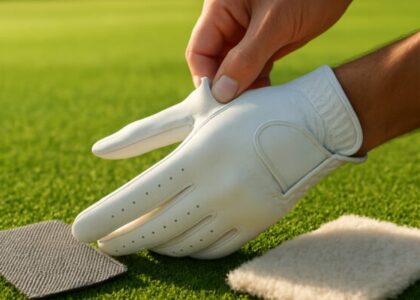



It’s fascinating to see how the unique conditions in South Africa can impact golf performance in such tangible ways. I’ve always believed that the attention we give to our equipment reflects our dedication to the game. When I first started playing, I thought a simple rinse would suffice for cleaning my clubs, but I quickly learned that without proper maintenance, mud and grime can affect both grip and accuracy.
It’s interesting how our initial understanding of golf can change with experience. Clean clubs might seem like a minor detail at first, but they really do play a crucial role in our performance. The connection between equipment and the game is deeper than many realize.
While the effectiveness of golf club cleaners is an important aspect of maintaining performance, I find it fascinating how often this topic is overlooked in the grander scheme of golf equipment care. It’s easy to underestimate the impact that something as seemingly simple as a cleaner can have on your game, especially in a country like South Africa where climate variables can change the playing field dramatically.