
Exploring Local Leather Types for Golf Gloves
Ethical Sourcing of Cattle Hides in South Africa

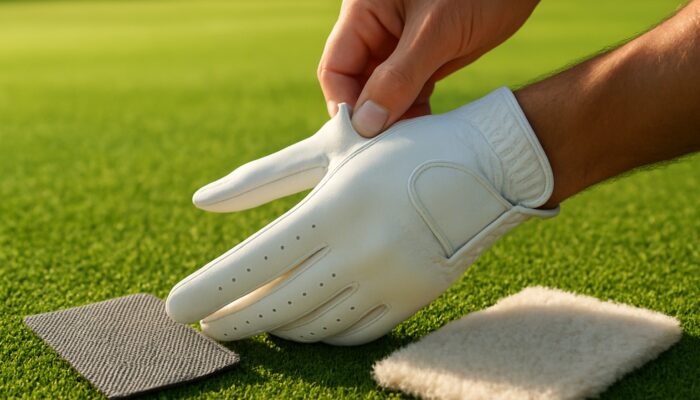
Obtaining premium hides from regional farms across South Africa guarantees that golf gloves are robust enough for regular play on sun-drenched fairways. Given the local climate, where temperatures frequently soar above thirty degrees, it's essential to use materials that offer natural breatheability, making them suitable for extended rounds in diverse weather conditions throughout the area.
Locally sourced cattle hides also bolster farming communities and positively impact the economy. These hides endure the rigours of play, equipping golfers with gloves that not only have a longer lifespan but also significantly enhance their performance on the golf course.
Comparing Cabretta Leather and Sheepskin: Which is Better?
Cabretta leather and sheepskin are two of the most preferred materials for golf gloves, each boasting distinct qualities. Cabretta is celebrated for its softness and flexibility, providing an exceptional feel for the club, making it a top choice among professional golfers. Its durability is particularly valuable for players who often navigate sandy bunkers, a common feature on many South African courses.
Conversely, sheepskin is slightly thicker and offers a different grip texture. While it may lack the flexibility of cabretta, it excels in resisting wear and tear, making it an excellent option for golfers who prioritise longevity. Recognising these differences empowers players to select gloves that align best with their playing style and the conditions of the course.
What Factors Influence Local Leather Tanning Practices?
The tanning process is crucial as it greatly influences the quality and functionality of leather used in golf gloves. Local tanning techniques aim to retain the natural attributes of the hide while boosting its durability. The benefits of careful material selection include:
- Enhanced breatheability for comfort during play
- Greater durability to endure frequent use
- Resistance to wear, especially in sandy environments
- Commitment to environmental sustainability through local sourcing
Local tanners often utilise eco-friendly methods, which not only benefit the environment but also guarantee that the gloves are safe for prolonged skin contact. This meticulous approach to tanning results in a superior product for golfers.
Why is Sourcing Game Hides Locally Important?
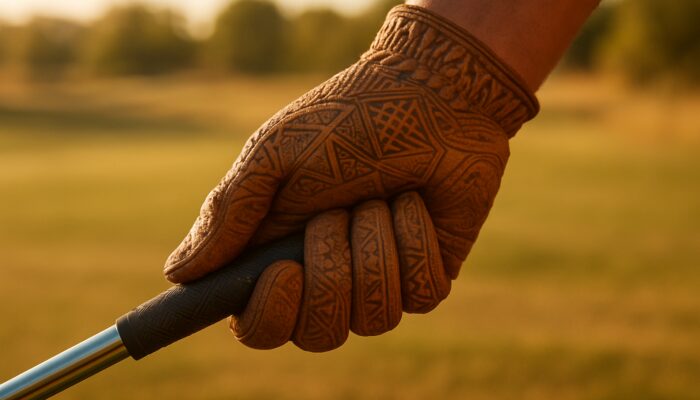
The incorporation of indigenous game leathers in golf gloves is becoming increasingly popular as golfers seek sustainable alternatives. By sourcing game hides from local farms, players not only support regional agricultural communities but also gain access to unique durability and style. These materials are capable of withstanding the demands of local golf courses, making them a fantastic option for those seeking something distinctive.
Indigenous game leathers often feature unique textures and qualities that differentiate them from conventional leathers. This distinctiveness can enhance a golfer's personal style while promoting environmentally responsible choices. By opting for gloves made from game hides, golfers contribute to ethical sourcing practices and help stimulate local economies.
What Are the Best Materials for Humid Coastal Areas?
Moisture-Resistant Synthetic Blends for Coastal Golfing
Moisture-resistant synthetic blends are essential in humid coastal regions for maintaining grip and control during play. These materials are engineered to prevent slippage, a common challenge when humidity levels rise. Golfers can enjoy consistent performance without the concern of their gloves absorbing excess moisture from their hands.
These synthetic blends often combine various materials to optimise performance. For example, some gloves integrate a mixture of polyester and elastane, enhancing flexibility and comfort while effectively managing moisture. This makes them particularly suitable for coastal golf scenarios where players frequently encounter warm, humid conditions.
Understanding the Role of Mesh Ventilation Panels

Mesh ventilation panels are strategically incorporated into golf gloves to improve airflow and keep hands cooler during the warm days typical of coastal golfing. These panels facilitate quick moisture evaporation, alleviating discomfort caused by sweat accumulation.
The design of these ventilation panels is critical; they must be positioned to maintain the glove's overall structure and grip. Golfers benefit from improved comfort and performance, especially during long rounds where maintaining a solid grip is vital for success on the course.
How to Test Grip in Damp Conditions
To ensure a golf glove performs well in damp conditions, players can take proactive measures before making a purchase. Start by assessing the glove's material and construction. Look for gloves featuring moisture-wicking properties and a textured surface designed to enhance grip.
Next, perform a simple test by wearing the glove while mimicking a swing motion. This allows golfers to evaluate how well the glove retains grip under damp conditions. Lastly, consider feedback from other players or reviews that discuss performance in similar environments. These steps enable players to make informed decisions about their glove selection.
The Importance of Salt-Resistant Polymers
Salt-resistant polymers are essential in golf gloves intended for coastal environments. These materials undergo treatment to withstand salt exposure, which is prevalent in coastal areas, and they offer superior durability by resisting degradation from airborne particles.
The grip texture provided by these polymers is crucial for maintaining performance during extended use in humid settings. Golfers can play with confidence, knowing their gloves will maintain grip and performance, even under the harsh conditions typical of coastal environments. This durability is especially significant for those who regularly play in areas where salt exposure is inevitable.
Advantages of Quick-Dry Fabric Integrations
Incorporating quick-dry elements into the grip construction of golf gloves is vital for maintaining control and comfort during rounds played in varying weather conditions. Quick-dry fabrics promote rapid moisture evaporation, ensuring players can maintain a firm grip even after exposure to sea breezes or perspiration.
These advancements in glove technology enable golfers to focus on their game without the distraction of wet hands. By selecting gloves with quick-dry integrations, players can elevate their performance and enjoy a more comfortable experience on the course, regardless of the weather conditions.
Insights from Experts on Golf Glove Materials
Real-World Examples from Local Professionals
Experienced instructors in South Africa frequently share valuable insights about how specific glove materials perform under intense local sunlight and frequent use on busy courses. Many professionals favour cabretta leather for its softness and flexibility, which enhances feel during play.
Local pros often recommend gloves equipped with moisture-wicking properties, especially during the hot summer months. These insights are invaluable for amateur players aiming to enhance their performance, providing concrete examples of how material selection can influence playability and comfort.
Expert Analysis of Hybrid Glove Constructions
Hybrid constructions that blend natural and synthetic fibres create balanced options ideal for players navigating mixed terrain challenges. These gloves typically combine the best qualities of both materials, such as the softness of leather with the durability of synthetic fibres.
Experts indicate that these hybrid gloves can offer improved grip and comfort, making them suitable for various playing conditions. Golfers facing different terrains can take advantage of the versatility provided by these hybrid options, ensuring they are well-prepared for any course.
Reviewing Material Testing Protocols
Thorough laboratory simulations are critical for assessing the longevity and comfort of golf glove materials. Testing protocols often replicate real-world conditions to ensure gloves perform as expected in practical scenarios.
These rigorous testing methodologies yield valuable data that assists manufacturers in refining their products. Golfers can rely on this information to make educated decisions about their glove choices, confident that they are investing in materials that have undergone extensive evaluations for performance and durability.
How Do Synthetic Options Measure Up in Terms of Durability?
Enhancing Abrasion Resistance with Polymer Coatings
The application of polymer coatings to synthetic golf gloves significantly boosts their abrasion resistance. Such coatings provide protection against rough surfaces encountered on many inland courses, thereby extending the lifespan of the gloves. Golfers who frequently play on these challenging courses can reap the benefits of the added durability that polymer coatings afford.
These coatings not only prolong the glove's longevity but also help maintain grip quality. Players can concentrate on their game without the concern of wear and tear, ensuring they have reliable equipment for every round.
Which Synthetic Materials Excel in High Heat?
High temperatures can quickly undermine lower-grade synthetic options, making it essential for golfers to choose heat-stable variants. These advanced synthetics are engineered to endure prolonged heat exposure without compromising their structural integrity or performance.
Selecting gloves that incorporate heat-resistant properties can mitigate issues such as shrinkage or loss of grip that may occur with inferior materials. Golfers frequently playing in hot climates, such as those found in South Africa, should prioritise these heat-stable options for consistent performance.
Evaluating Cost Versus Lifespan
When choosing golf gloves, players often balance cost against potential lifespan considerations. Budget-friendly options may necessitate earlier replacement, leading to higher long-term expenses. Conversely, investing in high-quality gloves with superior materials typically results in extended service life, particularly in demanding environments.
Grasping this trade-off enables golfers to make smarter purchasing decisions. By opting for gloves with enhanced durability and performance, players can enrich their overall experience on the course without the hassle of frequent replacements.
The Effects of UV Exposure on Synthetic Materials
Prolonged exposure to ultraviolet rays from the sun can degrade synthetic materials over time. This deterioration results in diminished durability and necessitates more frequent replacements. For golfers in bright climates like South Africa, selecting gloves with integrated UV stabilisers is advantageous.
These stabilisers safeguard the glove from the harmful effects of UV rays, ensuring it retains its structural integrity and performance. Golfers who understand the impact of UV exposure can make informed choices, extending the longevity of their gloves and improving their overall playing experience.
Research-Backed Advantages of Golf Glove Materials
Insights from Club Fitting Sessions
Data collected from local fitters reveals that golfers experience enhanced control and reduced hand fatigue when using optimised materials during practice. Fitters often recommend gloves tailored to a player's specific needs, considering factors such as grip texture and moisture management.
These real-world examples underscore the importance of selecting the right glove materials. Players who invest time in finding gloves that align with their playing style can see substantial improvements in their game, making it essential to evaluate material performance during fittings.
Actionable Steps for Material Selection
To align materials with their swing style and typical playing conditions, players can follow a structured approach. First, assess the climate in which they usually play, taking into account factors like humidity and temperature. Next, evaluate the glove's grip texture and fit, ensuring it complements their swing mechanics.
Players should seek feedback from fellow golfers or professionals to gain insights into the performance of various materials. By following these steps, golfers can make informed selections that enhance their performance on the course.
Expert Analysis of Performance Metrics
Research tracking grip retention and moisture wicking offers valuable insights for golfers aiming to make better purchasing choices. These performance metrics illustrate how different materials respond to various playing conditions, allowing players to appreciate the benefits of specific glove features.
Expert analysis often shows that gloves crafted with advanced materials significantly outperform standard options in terms of grip and moisture management. By prioritising these features, golfers can improve their overall experience and performance on the golf course.
Which Fabrics Provide Optimal Grip in Dry Conditions?
Benefits of Textured Microfibre Surfaces
Textured microfibre surfaces are excellent for enhancing grip on clubs during dry spells, which affect many inland courses throughout the year. These surfaces offer a tactile feel that enables golfers to maintain control, even in arid conditions where moisture is scarce.
The engineering of these microfibre surfaces is crucial. They should be designed to provide maximum friction without adding unnecessary bulk, allowing golfers to execute precise shots under bright skies. This blend of comfort and performance makes microfibre a preferred option for numerous players.
Evaluating Silicone Dot Patterns
Silicone dot patterns on golf gloves enhance friction without adding bulk, improving grip on clubs during play. These patterns are strategically positioned to maximise contact with the club surface, giving golfers the confidence to execute accurate shots.
The effectiveness of these patterns stems from their ability to maintain grip while allowing flexibility in the glove. Golfers benefit from improved control and comfort, ensuring their performance remains steady even in dry conditions.
What Makes Certain Weaves Superior in Performance?
Specific weaves in golf glove fabrics provide distinct advantages that enhance performance. Key benefits of these weaves include:
- Improved breatheability for comfort during play
- Enhanced grip through textured surfaces
- Greater durability to endure wear
- Lightweight construction for improved mobility
These features ensure that golfers can maintain optimal performance, particularly in dry conditions where grip is crucial. By understanding the benefits of various weaves, players can make informed decisions that enrich their overall experience on the course.
Reviewing the Benefits of Natural Leather Options
Premium leather grips offer exceptional friction and durability in dry conditions, making them ideal for golfers facing arid spells on inland courses. The natural properties of leather ensure excellent moisture management, allowing players to retain grip even when conditions are less than ideal.
While natural leather may demand more care than synthetic alternatives, its performance advantages often justify the maintenance considerations. Golfers prioritising grip and durability in dry environments will find that investing in quality leather gloves pays off in enhanced performance on the course.
Essential Maintenance Tips for Long-Lasting Golf Glove Performance
Establishing Effective Cleaning Routines
Regular gentle washing of golf gloves plays a critical role in extending their lifespan by removing dust and oils that accumulate from repeated use. A simple routine of hand washing with mild soap and water can significantly enhance the longevity of the gloves.
After washing, it's crucial to air dry the gloves away from direct sunlight to prevent cracking and deterioration. Maintaining a consistent cleaning routine ensures that golfers keep their gloves in optimal condition, ultimately enhancing their performance on the course.
Proper Storage Techniques to Prevent Cracking
Correct storage of golf gloves is essential to avoid cracking, especially in areas with intense daytime heat. Keeping gloves in shaded pouches or in a cool, dry environment can help maintain their integrity. Avoiding direct sunlight and extreme temperatures guarantees that the materials remain flexible and durable.
Golfers should refrain from folding or crumpling their gloves during storage. Instead, laying them flat or employing glove-specific storage solutions can help preserve their shape and performance. Following these storage tips allows players to extend the life of their gloves.
When Is It Time to Replace Worn Golf Gloves?
Monitoring for signs of thinning in golf gloves is vital to ensure safety and maintain optimal contact during important matches. Players should routinely inspect their gloves for indications of wear, such as thinning leather or frayed seams.
If golfers notice a significant decline in grip or feel, it may be time to consider replacing their gloves. Investing in new gloves can enhance performance and instil the confidence needed to excel on the course. Regularly replacing worn pairs ensures that players always have reliable equipment at their disposal during rounds.
Frequently Asked Questions
Which Materials Are Ideal for Golf Gloves?
The best materials for golf gloves generally include cabretta leather for its softness and flexibility, synthetic blends for moisture resistance, and textured microfibre for superior grip. Each material possesses unique advantages depending on playing conditions.
How Often Should I Change My Golf Gloves?
Golf gloves should be replaced upon noticing signs of wear, such as thinning material or diminished grip. Regular use can lead to deterioration, so keeping an eye on their condition is essential for maintaining performance.
Can I Wash My Golf Gloves?
Yes, golf gloves can be washed, but it's important to do so with care. Hand washing with mild soap and air drying away from direct sunlight helps maintain their integrity and prolongs their lifespan.
What Exactly Is Cabretta Leather?
Cabretta leather is a premium material derived from sheep hides, renowned for its softness, flexibility, and durability. It is a preferred choice for golf gloves due to its excellent feel and performance characteristics.
Are Synthetic Gloves Comparable to Leather?
Synthetic gloves can rival leather in terms of quality, offering moisture resistance and durability. They are often lighter and can provide improved grip in humid conditions, making them suitable for a variety of playing environments.
How Do I Determine the Correct Glove Size?
To find the right glove size, measure the circumference of your hand just below the knuckles and refer to the manufacturer's sizing chart. A proper fit should feel snug without being restrictive.
Do Golf Gloves Enhance Performance?
Yes, golf gloves can greatly improve performance by enhancing grip, providing comfort, and reducing hand fatigue. The right glove supports golfers in maintaining control during swings, leading to better shots.
What Purpose Do Mesh Panels Serve in Gloves?
Mesh panels in golf gloves enhance ventilation, allowing airflow to keep hands cool and dry. This feature is especially beneficial in warm conditions, improving comfort during play.
Can Golf Gloves Be Used for Other Sports?
While golf gloves are specifically designed for golfing, they can also be used in other sports that require grip, such as tennis or cycling. they may not deliver the same level of performance as gloves tailored to those specific sports.
What Maintenance is Necessary for Golf Gloves?
Golf gloves require regular cleaning to eliminate dirt and oils. Proper storage away from direct sunlight and heat is also essential to prevent cracking and to maintain their shape and performance.