Mastering the Essentials of Custom Golf Club Fitting
Key Steps for Initial Swing Assessment

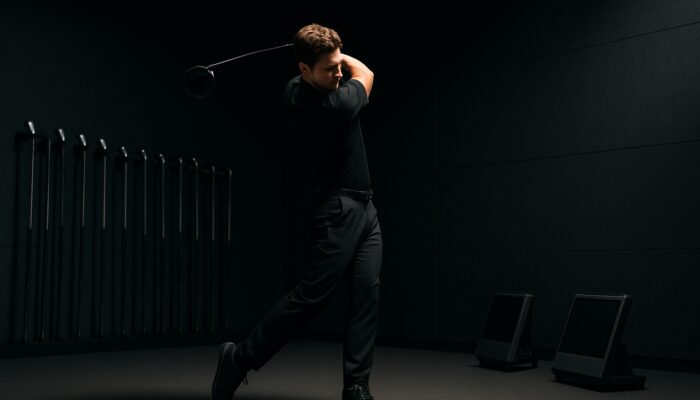
Local golfers often embark on their custom fitting experience with an in-depth swing analysis conducted at local facilities. These assessments typically utilize advanced launch monitors that provide precise measurements of swing speed and angle. By analyzing these critical metrics, fitters can identify necessary modifications to enhance performance, particularly given the diverse weather conditions across South Africa.
The significance of swing analysis is immense. It offers deep insights into a golfer's unique mechanics, enabling fitters to provide personalized recommendations that boost performance. For instance, a golfer facing challenges with consistency might require specific adjustments in their club specifications. This thorough process is vital for ensuring that players can effectively adjust to the varied conditions found on local golf courses.
Understanding the interaction between a golfer's swing and their equipment is essential. In South Africa, where courses can vary from coastal links to mountainous terrains, having clubs that suit one's swing style can drastically enhance results. This foundational assessment is critical for a fruitful custom fitting journey.
How to Choose the Right Grip Size
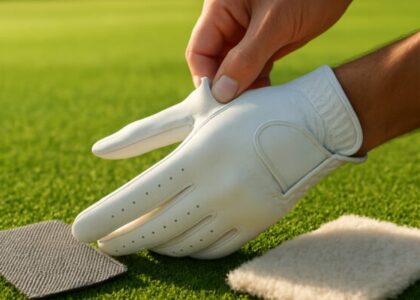
Selecting the appropriate grip size is essential for effective custom club fitting. Fitters diligently measure hand dimensions to recommend grips that not only improve control but also minimize fatigue during lengthy rounds. A well-fitted grip promotes optimal hand placement and encourages a more fluid swing.
In South Africa, golfers encounter various terrains, from the sandy beaches of the Cape to the vibrant greens of KwaZulu-Natal. Each environment can influence grip performance. For example, humid conditions may necessitate grips that manage moisture effectively, whereas dry, dusty areas might benefit from textured surfaces for enhanced traction.
The correct grip size also plays a pivotal role in a golfer's overall performance. A grip that is too small can result in excessive hand movement, while an oversized grip can restrict control. By ensuring golfers have grips tailored to their unique hand dimensions, fitters facilitate optimal performance and comfort on the course.
Why Does Shaft Length Matter for Accuracy?
The length of the shaft is crucial for a golfer's accuracy and overall performance. Properly fitted shaft lengths facilitate consistent contact with the ball, which is vital for achieving better distance control. For South African golfers who often play on firm fairways, this consistency is essential for lowering their scores.
When a shaft is either too long or too short, it can result in mis-hits and fluctuating ball flight. Golfers may struggle to consistently find the sweet spot, leading to shots that lack precision. A fitting session takes into consideration a player's height, arm length, and swing style to identify the ideal shaft length.
The diverse grass types prevalent across South Africa can affect how a golfer interacts with the ball. A well-fitted club enhances adaptability to these conditions, improving both accuracy and distance. By concentrating on shaft length during the fitting process, golfers can significantly elevate their game.
What Role Does Clubhead Weight Distribution Play?
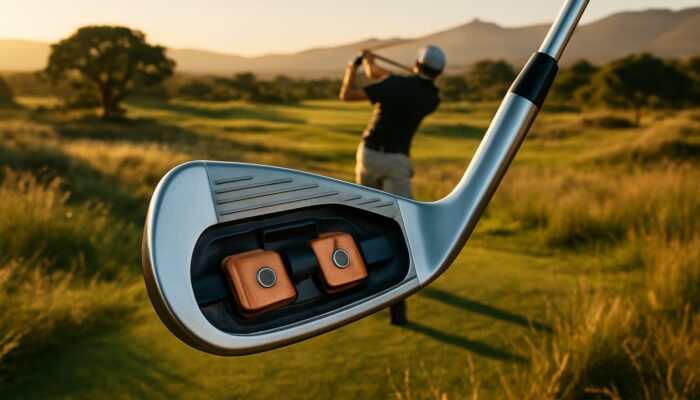
The weight distribution within a clubhead is vital for achieving optimal launch angles and spin rates. For golfers in South Africa, understanding how weight influences performance can lead to remarkable improvements, especially on the varied grass types across the nation.
Proper weight distribution stabilizes the club throughout the swing, enhancing control and accuracy. Golfers navigating courses with diverse terrains may discover that adjusting the weight in their clubheads improves their ability to handle different challenges, such as uneven lies or windy conditions.
Fitters often evaluate how a golfer's swing interacts with clubhead weight. By analyzing swing data, they can provide tailored recommendations that align with individual preferences and playing styles. This customized approach guarantees golfers receive clubs that feel comfortable and perform optimally across different conditions.
Selecting the Best Materials for Golf Clubs
Comparing Steel and Graphite Shaft Options
When choosing materials for golf clubs, players often weigh the advantages of steel versus graphite. Steel shafts are renowned for their durability and stability, making them a favored option for golfers who frequently contend with windy conditions. They provide a solid feel and consistent performance, which is critical on South African courses where wind can be a significant factor.
In contrast, graphite shafts offer a lighter feel, enabling increased swing speed. This can be particularly beneficial for players aiming to maximize distance without compromising control. Golfers with slower swing speeds may find that graphite helps them generate more power during their swings.
Ultimately, the decision between steel and graphite comes down to personal preference and playing style. Fitters evaluate a golfer's swing dynamics and preferences to recommend the most appropriate material. By recognizing the distinct advantages of each option, players can make informed choices that elevate their overall performance.
Assessing Club Head Designs for Optimal Performance

The design of club heads significantly impacts a golfer's performance on the course. Forged irons, for example, are acclaimed for delivering superior feedback upon contact, which is crucial for refining technique, especially on the undulating greens commonly found in South Africa. This feedback enables players to make necessary adjustments to their swings, ultimately leading to improved scores.
Club head designs can vary widely, influencing factors such as forgiveness and trajectory. For instance, cavity-back designs generally offer more forgiveness, making them ideal for amateur golfers who may struggle with consistency. Conversely, blade designs cater to more experienced players seeking precision and control.
Grasping the intricacies of club head designs is vital for golfers striving to enhance their performance. Fitters can assist players in selecting the right design that aligns with their skill level and playing style, ensuring that every golfer has the tools necessary to succeed on the course.
Essential Material Properties for Local Golfing Conditions
When selecting materials for golf clubs, fitters take into account various properties that cater to South African conditions. Key material characteristics include:
- Weight distribution for optimal swing balance
- Corrosion resistance suitable for humid coastal climates
- Durability to withstand the wear of sandy or rocky terrains
- Flexibility to accommodate various swing styles
- Temperature resistance to prevent warping
- Moisture management for improved grip
These characteristics are crucial for ensuring clubs perform effectively in diverse environments. For example, golfers playing along the coast may require materials that resist rust, while those in arid regions might prioritize flexibility and weight.
By evaluating these material properties, fitters can offer tailored recommendations that enhance performance and longevity. This meticulous attention to detail guarantees that golfers have clubs that not only feel exceptional but also withstand the challenges posed by South Africa's varied landscapes.
Exploring Hybrid Club Materials
Hybrid clubs have surged in popularity among golfers due to their unique blend of steel and graphite elements. This design optimizes weight distribution and forgiveness, making hybrids especially advantageous for navigating the diverse course layouts found throughout South Africa. Golfers appreciate the versatility that hybrids provide, allowing them to tackle a range of shots with confidence.
The combination of materials in hybrid clubs enhances their performance. Steel contributes stability and control, while graphite infuses lightness and speed. This amalgamation enables players to achieve better distance without sacrificing accuracy, particularly under challenging conditions such as windy days or uneven lies.
Fitters frequently recommend hybrids to players seeking to enhance their game, especially those who may struggle with longer irons. By evaluating individual swing characteristics and preferences, fitters can suggest hybrids that align with a golfer's skill level, ultimately boosting their performance on the course.
Analyzing Putter Material Choices
The choice of materials for putters can profoundly impact performance on the greens. Mallet-style putters, often composed of aluminum inserts, offer a soft feel that is particularly beneficial on fast greens typical in South Africa. This softness aids in maintaining accuracy, enabling golfers to make precise putts under pressure.
Conversely, traditional blade designs made of stainless steel provide a different sensation, appealing to those who prefer feedback on slower surfaces. The weight and material of a putter can influence its interaction with the ball, making it essential for golfers to select a putter that aligns with their putting style and the greens they frequently encounter.
Fitters play an integral role in guiding golfers to select the appropriate putter material. By analyzing a player's stroke and preferences, they can recommend options that optimize performance. This personalized approach ensures that golfers leave with a putter that feels comfortable and enhances their ability to make crucial putts.
How Custom Fitting Elevates Golf Performance
Optimizing Swing Path for Enhanced Accuracy
Custom fitting significantly improves swing path optimization, aligning clubs with a golfer's natural movements. This alignment results in straighter shots and greater consistency, especially beneficial during competitive play in regional tournaments. By ensuring that clubs are tailored to individual swings, golfers can achieve more dependable results on the course.
When clubs are fitted correctly, they complement a golfer's unique swing mechanics. This alignment reduces the likelihood of common issues like hooks or slices, allowing players to concentrate on their game instead of struggling with equipment. The outcome is a more enjoyable and successful golfing experience.
Custom fitting enables adjustments that can adapt to changes in a golfer's swing over time. As players refine their skills and techniques, having clubs that evolve with them is essential for maintaining performance. This continuous optimization is a key advantage of investing in custom fitting.
Gaining Distance Through Loft Adjustments
Adjusting loft angles during the fitting process can yield significant distance gains for golfers. By maximizing carry and roll on firm surfaces, players can effectively cover more ground without exerting additional effort. This is particularly critical for South African golfers, who frequently face challenging conditions that demand precise distance control.
The loft of a club directly influences the ball's trajectory. A higher loft can assist golfers in achieving a better launch angle, while a lower loft can encourage a flatter trajectory. Fitters consider individual swing characteristics to determine the ideal loft adjustments that will enhance performance.
By implementing these loft adjustments, golfers can experience improved distance and accuracy on their shots. This advantage is especially valuable on courses with varying elevations and grass types, where understanding how loft impacts performance can lead to significant scoring improvements.
What Effect Does Lie Angle Have on Performance?
The lie angle of a club is pivotal for ensuring that the club sole sits flat upon impact, preventing hooks or slices. This aspect is crucial for accuracy, particularly on sloped lies that are commonly found in South African golf courses. A correct lie angle enables golfers to strike the ball more consistently, resulting in better outcomes.
An incorrect lie angle can lead to mis-hits and inconsistent ball flight. For instance, a lie angle that is too upright may cause the ball to veer left, while one that is too flat can send it right. Fitters meticulously assess a golfer's stance and swing dynamics to recommend the ideal lie angle.
Adjusting the lie angle during the fitting process can lead to immediate enhancements in accuracy. Golfers who prioritize this aspect of their equipment often notice a substantial difference in their ability to hit straight shots, boosting their overall performance on the course.
Expert Insights into Custom Golf Club Fitting
Real-World Success Stories from Local Players
Experienced fitters frequently share compelling anecdotes of how personalized clubs have transformed the performance of local golfers. For example, amateur players competing in provincial events have reported remarkable improvements in their putting consistency following a fitting session. These real-world stories underscore the tangible benefits of investing in custom fitting.
A notable case involved a golfer who struggled with distance control on the greens. After a fitting focused on the putter's weight and balance, the player experienced a significant increase in their ability to read greens and make putts. This story exemplifies how custom fitting can lead to dramatic enhancements in performance.
Fitters often highlight the significance of personalized equipment in achieving success on the course. By tailoring clubs to individual needs, golfers can unlock their full potential and enjoy a more rewarding golfing experience. These success stories serve as powerful motivators for players considering custom fitting.
Expert Analysis of Swing Data Trends
Professionals in the field routinely analyze swing data trends from numerous fitting sessions to identify patterns that contribute to lower scores. By examining statistics, they can discern common traits among successful players, providing valuable insights to golfers looking to elevate their game.
For instance, data may indicate that players achieving a certain swing speed tend to benefit from specific shaft flexes or clubhead designs. Recognizing these trends enables fitters to offer informed recommendations tailored to individual players, enhancing their chances of success on the course.
This data-driven approach to custom fitting is vital for optimizing performance. Golfers can gain a competitive advantage by leveraging insights derived from extensive analysis, ensuring their equipment aligns with proven success factors. As more players adopt this methodology, the benefits of custom fitting continue to expand.
Actionable Steps for Selecting Clubs
Experts outline a series of systematic checks for balance and feel during the fitting process, ensuring that each golfer departs with equipment perfectly suited to their unique motion. These steps may involve evaluating swing speed, grip size, and club length, all customized to individual needs.
Fitters encourage golfers to express their preferences and playing styles during the fitting session. By understanding a player's goals and challenges, fitters can provide recommendations that enhance performance and enjoyment on the course. This collaborative approach fosters a sense of ownership over the fitting process.
Ultimately, the objective is to equip golfers with clubs that feel comfortable and perform optimally. By adhering to these actionable steps, players can make educated decisions about their equipment, leading to improved performance and greater satisfaction on the course.
Essential Steps in the Custom Fitting Process
Dynamic Swing Recording Techniques
High-speed cameras play an essential role in capturing the intricate details of a golfer's swing during the fitting process. These dynamic recordings enable precise calculations regarding shaft flex and torque, tailored to individual power outputs. By analyzing swing mechanics in real-time, fitters can make informed recommendations that enhance performance.
Capturing motion details provides valuable insights into how a golfer interacts with their clubs. This information aids fitters in identifying areas for improvement, ensuring that adjustments are made to optimize swing efficiency. golfers can anticipate tangible benefits from their custom-fitted equipment.
Dynamic swing recording facilitates ongoing adjustments as players refine their techniques. By regularly reviewing swing data, fitters can ensure that clubs continue to align with a golfer's evolving style, ultimately improving long-term performance on the course.
Importance of Static Measurement Sessions
Static measurement sessions are a vital part of the custom fitting process. During these sessions, fitters accurately document body proportions to determine ideal specifications that enhance comfort and prevent strain during extended hours on the course. This meticulous attention to detail is crucial for ensuring that golfers receive clubs tailored to their unique physical characteristics.
Fitters assess various measurements, including wrist-to-floor height, arm length, and hand size, to provide informed recommendations about club length, lie angle, and grip size. By understanding a golfer's body mechanics, fitters can deliver equipment that improves performance while minimizing the risk of injury.
The significance of static measurements cannot be underestimated. Clubs fitted according to individual body proportions facilitate a more natural swing, ultimately resulting in improved accuracy and consistency. This personalized approach is among the key benefits of investing in custom fitting.
Final Testing and Adjustments
Final testing and adjustments are critical components of the custom fitting process. After initial modifications are made, golfers are encouraged to take trial swings with prototype clubs to confirm settings before final assembly. This hands-on approach enables players to evaluate how the clubs feel and perform in real-time, ensuring they meet personal preferences.
During this phase, fitters closely observe golfers' feedback and performance. Should any issues arise, adjustments can be made to further optimize club specifications. This iterative process guarantees that golfers receive equipment that not only feels comfortable but also enhances their performance on the course.
Ongoing adjustments are particularly beneficial as conditions change throughout the seasons. By remaining flexible and responsive to individual needs, fitters ensure that golfers maintain peak performance year-round. This dedication to personalized service is a hallmark of quality custom fitting.
Utilizing Data Analysis and Modelling
Advanced software is integral to the custom fitting process, as it processes recorded swing and body data to generate precise club specifications. This data analysis enables virtual simulations that predict performance improvements before physical prototypes are crafted. By leveraging technology, fitters provide golfers with a more informed fitting experience.
The capability to model various club configurations based on individual swing characteristics allows fitters to make scientifically backed recommendations. This data-driven approach enhances the likelihood of achieving optimal performance on the course, as golfers can trust that their equipment has been customized to their unique needs.
Data analysis enables ongoing refinement of club specifications as players evolve. By consistently updating and modeling swing data, fitters ensure that golfers remain equipped with clubs that align with their developing skills and preferences. This ongoing commitment to optimization is a key advantage of custom fitting.
Conducting Post-Fitting Evaluations
After assembling custom-fitted clubs, players receive follow-up sessions to evaluate the effectiveness of their new equipment on the course. This post-fitting evaluation allows golfers to offer feedback on how the clubs perform in real-world conditions, enabling fitters to make minor refinements as needed.
These follow-up sessions are vital for ensuring long-term satisfaction with custom-fitted clubs. Fitters can determine if any adjustments are necessary based on a golfer's evolving swing dynamics or changes in playing conditions. This ongoing support fosters a strong relationship between fitters and golfers, enhancing the overall fitting experience.
Post-fitting evaluations yield valuable insights for future fittings. By tracking performance metrics over time, fitters can identify trends and make informed recommendations for future equipment upgrades. This commitment to continuous improvement guarantees that golfers are equipped with the best possible tools for success on the course.
Research-Backed Advantages of Custom Golf Club Fitting
Enhanced Shot Consistency Evidence
Research shows that custom-fitted clubs can significantly enhance shot consistency, leading to reduced dispersion by considerable margins. This enhancement results in more dependable outcomes on every hole, particularly during weekend rounds when golfers aim to maximize their performance. Custom fitting addresses unique swing characteristics, ensuring that clubs are designed to improve accuracy.
Studies indicate that golfers who invest in custom fitting experience fewer mis-hits and improved ball flight. By aligning equipment with a player's distinct mechanics, fitters facilitate greater consistency in shots. This is especially vital in competitive situations, where even minor improvements can have a substantial impact on scores.
Consistent performance translates to heightened confidence on the course. Golfers who trust their equipment are more inclined to commit to their swings, leading to improved results. This psychological advantage strengthens the case for custom fitting as a means of enhancing overall performance.
Key Performance Metrics Monitored
Fitters track various performance metrics to validate improvements tailored to local grass types and altitudes. Key metrics include:
- Launch angles
- Spin rates
- Carry distances
- Ball speed
- Shot dispersion
- Distance control
Monitoring these metrics enables fitters to evaluate the effectiveness of custom-fitted clubs and make informed recommendations for adjustments. By understanding how equipment interacts with specific course conditions, golfers can optimize their performance and achieve better results.
The ability to track these metrics also provides golfers with concrete evidence of their progress. By comparing data before and after fitting, players can witness the direct impact of their investment in custom fitting, reinforcing the value of this approach to improving their game.
Expert Insights on Injury Prevention
Proper fitting is instrumental in minimizing awkward postures that can lead to back or wrist injuries. By ensuring that clubs are tailored to individual body mechanics, golfers can maintain a more natural swing, thereby reducing injury risk. This consideration is particularly important for players who spend extended periods on the course.
Research indicates that golfers who invest in custom fitting encounter fewer injuries and derive greater overall enjoyment from the sport. By addressing individual needs, fitters assist players in sustaining their health and performance over time. This long-term approach to injury prevention is a key benefit of custom fitting.
Understanding how equipment affects body mechanics allows golfers to make informed decisions about their clubs. By prioritizing comfort and performance, players can enjoy the sport for many years without the burden of injuries. This focus on health and well-being underscores the significance of investing in custom fitting.
Studies on Enhanced Distance and Accuracy
Independent research has confirmed that custom-fitted clubs can boost average driving distance by up to ten percent while improving accuracy on approach shots. This advantage is especially beneficial for South African golfers who often contend with varying wind conditions and challenging course layouts. By investing in custom fitting, players can achieve substantial improvements in overall performance.
The ability to optimize club specifications based on individual swing characteristics enables golfers to maximize their potential. Fitters assess factors such as swing speed, launch angle, and ball flight to recommend equipment that enhances distance and accuracy. This tailored approach is essential for achieving superior results on the course.
The confidence derived from using well-fitted clubs can lead to improved performance across all aspects of a golfer's game. By addressing individual needs and preferences, fitters help players unlock their full potential and enjoy a more satisfying golfing experience.
Long-Term Value of Custom-Fitted Equipment
Longitudinal studies confirm that players using fitted clubs report higher satisfaction rates and better retention of swing mechanics over multiple seasons. This benefit is particularly relevant in high-altitude regions of South Africa, where equipment performance can be influenced by environmental factors. By investing in custom fitting, golfers can ensure their clubs remain effective over time.
The value of custom-fitted clubs extends beyond immediate performance gains. Players often discover that their equipment adapts to their evolving skills, facilitating sustained success on the course. This long-term perspective reinforces the importance of investing in custom fitting as a means of enhancing overall enjoyment of the sport.
Satisfied golfers are more likely to recommend custom fitting to others, creating a positive feedback loop that benefits the entire golfing community. By prioritizing quality and performance, players can relish the sport for years to come, making custom fitting a prudent investment.
Why Seek Professional Guidance for Fitting?
Avoiding Common Equipment Errors
Amateurs often overlook subtle mismatches in their equipment that professionals can quickly identify. These common setup errors can lead to subpar performance and frustration on the course. By seeking professional advice for fitting, golfers can save time and money by avoiding unsuitable purchases, ensuring they invest in equipment that genuinely enhances their game.
Fitters possess the expertise to recognize issues that may not be immediately apparent to the average golfer. For example, they can evaluate grip size, shaft length, and lie angle to ensure clubs are tailored to individual needs. This meticulous attention to detail is crucial for achieving optimal performance.
By steering clear of common mistakes, golfers can focus on refining their skills rather than struggling with equipment that doesn't suit them. This proactive approach to fitting can lead to a more enjoyable and successful golfing experience, highlighting the value of professional guidance.
Access to Specialized Fitting Tools
Professional fitters utilize specialized tools such as pressure plates and simulators that are often unavailable to individuals. These tools ensure that measurements accurately reflect real playing scenarios, providing golfers with a more comprehensive fitting experience. By leveraging advanced technology, fitters can deliver precise recommendations tailored to individual needs.
The use of specialized tools allows fitters to capture intricate details about a golfer's swing mechanics and body proportions. This data-driven approach enhances the fitting process, ensuring that clubs are optimally configured for performance. Golfers benefit from the expertise and resources that professionals offer.
Access to these tools enables ongoing adjustments as players evolve. Fitters can monitor performance metrics and provide informed recommendations based on individual progress, ensuring golfers are equipped with the finest equipment throughout their golfing journey.
Key Questions to Discuss with Your Fitter
Preparing questions for your fitter can enhance the fitting experience and ensure you maximize the value of your investment. Consider asking the following:
- What warranty options are available for custom clubs?
- How often should I consider re-fitting my clubs?
- What maintenance routines do you recommend for my equipment?
- Can you explain the benefits of different grip materials?
- How can I maximize my club's performance in varying conditions?
- What upgrades should I consider in the future?
- How do you assess swing data during the fitting process?
- What are the most common mistakes golfers make with their equipment?
These questions can help golfers gain a deeper understanding of their equipment and ensure they receive tailored recommendations. By engaging in meaningful dialogue with fitters, players can enhance their overall fitting experience and make informed decisions about their clubs.
Effective Maintenance of Custom Golf Clubs
Establishing Regular Cleaning Practices
Maintaining custom clubs necessitates consistent cleaning routines to preserve their performance and longevity. Wiping down grips and heads after each round is essential for retaining tackiness and preventing wear. This practice is particularly important in South Africa, where dusty or sandy environments can influence the condition of equipment.
A simple cleaning routine can significantly extend the lifespan of golf clubs. By removing dirt and debris from clubheads and grips, golfers can ensure optimal performance during play. Regular maintenance also helps avert the accumulation of grime that can affect the feel and responsiveness of clubs.
To routine cleaning, golfers should inspect their equipment for any signs of damage or wear. Promptly addressing these issues can help maintain performance and prevent costly repairs in the future. By prioritizing regular cleaning and maintenance, players can enjoy their custom clubs for years to come.
Storage Tips for Prolonged Lifespan
Proper storage is vital for extending the longevity of custom clubs. Keeping clubs in temperature-controlled bags can prevent shaft warping due to extreme heat fluctuations commonly found in South Africa. This careful attention to storage conditions can significantly impact equipment performance over time.
Golfers should also consider using headcovers to shield clubheads from scratches and damage. Storing clubs upright in a dedicated golf bag can help avoid unnecessary wear and tear. By prioritizing proper storage practices, players can ensure their custom clubs remain in excellent condition.
Regularly checking the condition of stored clubs is essential. Golfers should inspect grips and shafts for any signs of deterioration, addressing issues promptly to maintain performance. By following these storage recommendations, players can extend the lifespan of their custom clubs and enjoy consistent performance on the course.
Determining the Frequency of Re-fitting
Annual check-ups are advisable to accommodate changes in strength or flexibility, ensuring golfers maintain peak performance as they evolve over time. As players progress, their swing dynamics may change, necessitating adjustments to club specifications.
Re-fitting allows golfers to evaluate whether their equipment continues to align with their current playing style and physical characteristics. By routinely updating club specifications, players can guarantee they remain equipped with the best possible tools for success.
Seasonal changes may affect performance, making re-fitting particularly important. Golfers should consider scheduling fittings at the beginning of each season to ensure their clubs are optimally configured for the conditions they will encounter. By prioritizing regular re-fitting, players can maximize their performance and enjoyment on the course.
Frequently Asked Questions
What is custom golf club fitting?
Custom golf club fitting is the process of tailoring golf clubs to an individual's unique swing characteristics, body measurements, and preferences to enhance performance and comfort.
How long does a fitting session typically last?
A fitting session generally lasts between one to two hours, allowing fitters to assess swing mechanics, body measurements, and make necessary adjustments.
Can I get fitted for any type of club?
Yes, golfers can get fitted for various types of clubs, including drivers, irons, hybrids, and putters, ensuring that all equipment is optimized for performance.
What should I wear to a fitting session?
It’s best to wear comfortable clothing and shoes that you typically wear while playing golf. This ensures that fitters can assess your swing accurately.
How often should I get re-fitted?
It’s recommended to get re-fitted annually or whenever there are significant changes in your swing, strength, or playing style to ensure optimal performance.
What is the cost of a custom fitting session?
The cost of a custom fitting session can vary widely, typically ranging from R500 to R2,000, depending on the facility and the level of service provided.
Do I need to bring my clubs to the fitting?
It’s not necessary to bring your clubs, but if you have specific preferences or concerns, bringing them can help the fitter understand your current setup.
How can I find a reputable fitter in South Africa?
Look for certified fitters affiliated with recognized golf brands or local golf clubs. Online reviews and recommendations from fellow golfers can also be helpful.
What if I don't feel comfortable with the fitted clubs?
Most fitters offer follow-up sessions to make adjustments if you’re not satisfied with the performance of your fitted clubs, ensuring you get the right equipment.
Is custom fitting worth the investment?
Yes, custom fitting is generally considered worth the investment as it can lead to improved performance, greater consistency, and enhanced enjoyment of the game.