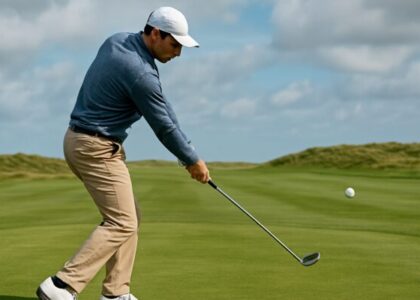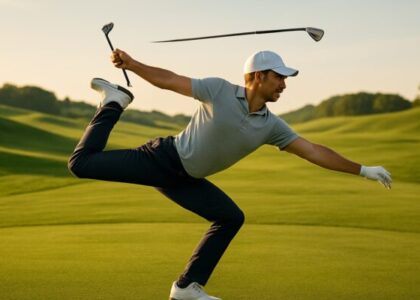

Establishing a Solid Foundation for Golfers
Evaluating Your Current Leg Strength

Assessing leg power through straightforward tests is essential for golfers in South Africa to determine their baseline before embarking on any training programme. This evaluation allows for the tailoring of exercises to meet individual needs, which enhances overall training effectiveness. By understanding their current capabilities, local golfers can be motivated to set realistic goals and effectively monitor their progress.
The key advantages of evaluating leg strength include:
- Identifying targeted areas for improvement
- Establishing realistic training objectives
- Tracking progress systematically over time
- Boosting overall performance on the golf course
Grasping these elements can profoundly influence a golfer's performance, particularly across the diverse terrains of South Africa.
A simple strength test could include a series of squats to assess endurance and strength. This foundational knowledge enables players to choose exercises that will directly enhance their performance, ensuring training is both effective and efficient. By concentrating on personal metrics, golfers can develop a customised approach to advancing their leg strength.
Choosing the Right Training Equipment
Selecting appropriate footwear and supportive gear suitable for local terrain is vital for preventing injuries during training. Golfers should seek shoes that offer excellent grip and support, particularly when practicing on the varied landscapes of South African golf courses. Durable options available at local sports retailers or specialised golf shops can significantly influence training outcomes.
Quality gear not only boosts performance but also enhances comfort during practice. Opt for shoes that provide adequate arch support and cushioning to absorb impacts, especially when traversing long distances on the course. Consider integrating compression socks or leg sleeves into your gear to improve circulation and mitigate fatigue during extended sessions.
Investing in top-notch equipment designed for local conditions can help avoid injuries and improve training effectiveness. Many local brands offer products tailored to the unique challenges faced by golfers in South Africa, ensuring players have access to the best tools available. This level of preparation can lead to a more enjoyable and productive golfing experience.
Establishing Achievable Improvement Goals
Setting clear targets based on individual golf performance is crucial for consistent progress. Establishing realistic goals involves understanding one's current abilities and pinpointing specific areas for enhancement to elevate overall game performance. This approach encourages golfers to concentrate on gradual improvements rather than overwhelming themselves with lofty expectations.
When defining effective goals, golfers should consider factors like their existing leg strength, frequency of play, and specific areas they aim to improve. Goals should be quantifiable and time-sensitive, such as aiming to increase squat repetitions or enhance endurance within a defined timeframe. This structured methodology helps maintain motivation and accountability.
Regularly reviewing and adjusting these goals based on performance can further optimise training effectiveness. Celebrating small achievements along the way strengthens commitment and encourages sustained effort. Local golfers might also benefit from sharing their goals with peers or trainers, creating a supportive environment that fosters growth and improvement.
Expert Strategies for Enhancing Golf Leg Strength

Insights from Experienced Coaches
Local trainers offer valuable perspectives on effective methods that bolster stability on regional fairways. Many coaches advocate for specific drills focusing on building leg strength through exercises designed specifically for golfers. For instance, a coach may recommend incorporating balance drills that replicate the golf swing, assisting players in developing the necessary muscle control and coordination.
An effective technique involves using resistance bands during practice swings to simulate the added weight and resistance encountered during a real swing. This method not only strengthens the legs but also enhances overall swing mechanics, making it easier for players to generate power and control throughout their game.
Coaches also stress the significance of functional training that reflects the movements experienced on the course. Exercises like step-ups or lateral lunges can be adapted to emulate the stances and movements required during a round of golf, offering golfers a practical approach to improving leg strength while enjoying their time on the course.
Implementing Daily Actionable Steps
Experts suggest integrating short training sessions into daily routines to effectively build endurance. Incorporating leg-strengthening exercises into everyday activities allows golfers to maintain consistency without feeling overwhelmed. For example, players can perform lunges or calf raises while watching television or during breaks at work, making it easier to fit training into busy schedules.
Another practical suggestion is to leverage local parks or golf courses for outdoor workouts. Engaging in walking or jogging on uneven surfaces can improve leg stability and strength, closely replicating the conditions encountered on the course. This method not only builds leg power but also allows players to appreciate the stunning landscapes of South Africa while training.
Tracking progress through a simple journal or app can help golfers remain motivated. Documenting daily exercises, repetitions, and personal reflections on workouts can provide valuable insights into what strategies are most effective. This self-monitoring can lead to increased dedication and more fruitful training as golfers adapt their routines to their specific needs and advancements.
Avoiding Common Training Mistakes
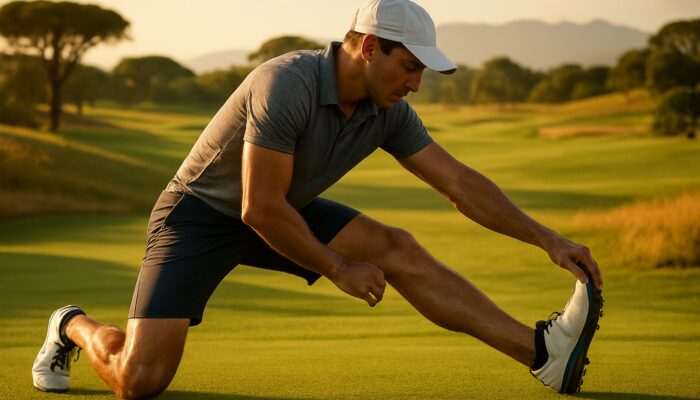
Professionals point out several frequent mistakes that can impact golfers training in warmer climates. A significant error involves neglecting proper warm-up routines, which can lead to injuries and hinder performance. Golfers should always prioritise warming up their leg muscles before engaging in intense training sessions, especially in the heat of South Africa.
Another common misstep is exclusively focusing on strength without considering flexibility. While muscle building is vital, golfers should also incorporate stretching and mobility exercises to ensure their legs can move freely during swings. This balance helps prevent injuries and enhances overall swing mechanics, contributing to better performance on the course.
Lastly, many golfers underestimate the significance of recovery. Overtraining can result in fatigue and decreased performance, so allowing sufficient rest between workouts is crucial. Integrating rest days and listening to the body's signals can greatly enhance long-term progress and overall leg strength.
What Are the Essential Exercises for Leg Power?
Squats Tailored for Golf Stance
Executing squats with an emphasis on balance can effectively simulate the golf swing motion while strengthening the thighs. This exercise not only develops leg power but also enhances core stability, which is critical for maintaining control during play. Golfers should position their feet shoulder-width apart and lower their bodies as if preparing to swing, ensuring correct form throughout the movement.
Incorporating variations like single-leg squats can further challenge balance and strength. These adaptations not only target the primary muscles used in the golf swing but also engage stabilising muscles, which play an essential role in overall performance. Golfers can gradually increase the difficulty by adding weights or performing the exercise on an unstable surface.
Regularly including squats in training routines can lead to significant enhancements in leg strength and control on the course. As golfers become more adept at the movement, they can increase the number of repetitions and sets to continue challenging their muscles, ultimately improving their performance during games.
Lunges on Varied Terrain
Practising lunges outdoors on uneven surfaces offers numerous advantages for golfers. This exercise builds stability and power in the legs, crucial for generating swing force. Training on natural ground similar to local courses prepares golfers for the specific challenges they encounter during play.
When executing lunges, golfers should emphasise maintaining proper form and balance. Forward lunges, reverse lunges, and lateral lunges can all be integrated into a training routine to target different muscle groups. This variety keeps workouts interesting and ensures comprehensive leg strength development.
Lunges can be paired with other exercises, like incorporating a twist at the top of the movement to further engage the core. This functional training method mimics the rotational movements necessary in golf, ultimately enhancing overall performance on the course while reducing injury risks.
Calf Raises for Endurance
Regular calf raises are vital for improving push-off strength, which is essential for maintaining posture throughout long rounds. This exercise targets the gastrocnemius and soleus muscles, which are crucial for stability and balance during a golf swing. Golfers should begin calf raises on flat surfaces, gradually progressing to uneven terrain to replicate course conditions.
To optimise the benefits of calf raises, variations like single-leg raises or raises on an elevated surface can be introduced. These adaptations further challenge the muscles, promoting greater strength and endurance. Incorporating calf raises into a training regimen can lead to noticeable enhancements in overall leg power and performance on the course.
Consistency is key when it comes to calf raises. Golfers should aim to include this exercise in their regular training sessions, gradually increasing repetitions and sets over time. This commitment to strengthening the calves will ultimately improve stability and performance during play.
Single-Leg Deadlifts
Single-leg deadlifts are an excellent exercise for improving balance and hamstring strength, both essential for generating leg power in golf swings. This movement challenges stability and engages multiple muscle groups, making it a highly effective addition to any golfer's training routine. To perform this exercise, golfers should stand on one leg, hinge at the hips, and lower the opposite leg while keeping a straight back.
Practising single-leg deadlifts on local fairways can enhance stability during shots and minimise the risk of injury over long rounds. This exercise mimics the balance required in a golf swing, allowing golfers to develop the necessary strength and coordination to execute powerful shots effectively.
To amplify the benefits, golfers can incorporate weights or resistance bands while performing single-leg deadlifts. Gradually increasing the weight will challenge the muscles and promote continued growth, ultimately leading to improved performance on the course. Regular inclusion of this exercise in training routines can significantly boost overall leg strength and stability.
Box Jumps for Explosive Power
Performing box jumps is an effective way to develop explosive leg power, essential for powerful drives on the golf course. This exercise targets fast-twitch muscle fibres, crucial for generating speed and strength during swings. Golfers should start with a lower box and gradually increase the height as their confidence and strength improve.
Box jumps not only build leg power but also enhance overall athleticism. This dynamic movement requires coordination and balance, making it a valuable addition to any golf training regimen. Including box jumps in workouts can lead to noticeable improvements in swing speed and distance, ultimately enhancing performance on the course.
To maximise the benefits of box jumps, golfers should focus on landing softly and maintaining proper form throughout the movement. This attention to detail helps prevent injuries and ensures the exercise is effective. Regularly incorporating box jumps into training sessions can significantly contribute to overall explosiveness and power on the golf course.
Training Programmes for Local Courses
Weekly Training Schedule Development
Creating a well-rounded weekly training plan is essential for golfers aiming to enhance their leg strength. Including rest days is vital to avoid fatigue while targeting leg muscles suited to local playing conditions. A structured schedule enables golfers to focus on different muscle groups and prevents overtraining.
A typical weekly schedule might allocate specific days for strength training, flexibility work, and endurance exercises. For example, dedicating Mondays and Thursdays to strength training while incorporating flexibility sessions on Tuesdays and Fridays can create a comprehensive approach. This balance aids in recovery while still ensuring progress.
Golfers should factor in their playing schedule when planning workouts. Aligning training sessions with upcoming rounds ensures players are physically prepared for the demands of the course. This thoughtful approach to scheduling will ultimately lead to enhanced performance and greater enjoyment of the game.
Utilising Course Walks
Walking full courses can significantly contribute to strength development and endurance for golfers. This natural activity builds leg resilience, matching the pace of typical games played in South Africa. Walking not only strengthens leg muscles but also boosts cardiovascular fitness, preparing golfers for the physical demands of a complete round.
To maximise the advantages of course walks, golfers should integrate additional exercises during their rounds, such as lunges or calf raises during breaks. This strategy allows players to engage in strength-building activities while enjoying their time on the course. walking on uneven terrain mimics the conditions encountered during play, enhancing overall stability and performance.
Regular course walks can also foster a deeper connection to the game. Players can use this time to focus on their swings, strategise their shots, and appreciate the beauty of their surroundings. This holistic approach to training not only improves leg strength but also enriches the overall golfing experience.
Participating in Partner Training Sessions
Joining group training sessions at community facilities can provide motivation and create camaraderie among local golfers. Partner training allows players to exchange techniques tailored to shared environmental challenges, establishing a supportive atmosphere for improvement. Working out with others can also introduce healthy competition, driving individuals to push their boundaries and achieve their goals.
Group sessions can incorporate a variety of exercises, such as circuit training or partner drills, which enhance leg strength and overall fitness. For instance, players can alternate performing lunges while the other acts as a spotter, ensuring proper form and safety. This collaboration not only builds strength but also strengthens social connections within the local golfing community.
Partner training sessions can help golfers stay accountable to their fitness objectives. Setting joint targets and regularly checking in on each other's progress fosters a sense of commitment and motivation. This collaborative training approach can lead to lasting friendships and improved performance on the course.
Adapting to Seasonal Conditions
Modifying training routines to cope with the varying weather patterns in South Africa is crucial for building resilience in leg muscles. Golfers should consider the impact of seasonal changes on their training and adjust their exercises accordingly. For example, during the hotter months, scheduling early morning or late afternoon workouts can prevent overheating and ensure safety.
During the rainy season, golfers can focus on indoor strength training or utilise gym facilities to maintain their routines. This flexibility allows players to continue enhancing their leg strength without interruptions due to adverse weather. Adjusting to seasonal variations also prepares golfers for the diverse course conditions they may face during play.
Recognising how different terrains can influence leg strength is vital for golfers. Training on soft, muddy ground can enhance stability, while practising on firmer surfaces can boost power. By diversifying training environments, golfers can develop well-rounded leg strength and adaptability, ultimately leading to improved performance on the course.
How Can Nutrition Support Leg Strength?
Meal Ideas Rich in Essential Nutrients
Consuming proteins and greens sourced from local markets is vital for fuelling muscle repair after training sessions. A diet abundant in lean proteins, such as chicken, fish, and legumes, supports muscle recovery and growth. Including a variety of vegetables, particularly leafy greens, provides essential vitamins and minerals that contribute to overall health and performance.
Local markets offer a wealth of fresh produce, making it easy for golfers to create nutritious meals. For instance, a simple stir-fry featuring chicken, broccoli, and spinach can deliver the necessary nutrients to support leg strength. incorporating whole grains like brown rice or quinoa provides sustained energy for training and play.
Staying hydrated is also critical for optimal performance. Golfers should aim to drink ample water throughout the day, especially before, during, and after training sessions. Proper hydration helps maintain energy levels and prevents cramps, ensuring golfers can perform at their best on the course.
Hydration Strategies for Warm Conditions
Maintaining proper fluid intake is essential for preventing cramps, particularly in the drier regions of South Africa. Golfers should develop hydration strategies that guarantee they remain adequately hydrated during training and play. This includes drinking water regularly throughout the day and opting for electrolyte-rich beverages, particularly during extended sessions on the course.
To enhance hydration efforts, golfers can carry a reusable water bottle during their rounds. This practice promotes regular fluid intake and reduces the environmental impact of single-use plastic bottles. incorporating hydrating foods like watermelon or cucumber into meals can further support hydration efforts.
Monitoring hydration levels is also crucial. Golfers should be mindful of the signs of dehydration, such as fatigue, dizziness, or dry mouth. By recognising these symptoms early, players can take proactive steps to rehydrate and maintain their performance on the course, ensuring they are always ready to play their best.
Supplement Options for Players
Natural options like nuts provide additional support for recovery when combined with a balanced local diet. Golfers can benefit from including nutrient-dense snacks in their routines, such as almonds or walnuts, which deliver healthy fats and protein. These snacks can help sustain energy levels during training sessions and support post-exercise muscle recovery.
Considering supplements like protein powders or omega-3 fatty acids can further enhance recovery and overall health. golfers should consult with a healthcare professional before introducing any new supplements into their diets. This approach ensures players make informed decisions based on their individual needs and goals.
Ultimately, a well-rounded diet combined with appropriate supplementation can significantly improve leg strength and overall performance. By prioritising nutrition, golfers can effectively fuel their bodies, supporting their training efforts and ensuring they are prepared for the challenges of the game.
Research-Backed Benefits of Improving Golf Leg Strength
Studies on Enhancing Swing Performance
Research indicates that stronger legs contribute to more consistent drives, helping players achieve better scores on familiar courses. Evidence suggests that leg strength directly correlates with swing power and stability, making it a vital focus area for golfers during training. By improving leg strength, golfers can enhance their overall performance while reducing the risk of injury.
One study highlighted that golfers with greater leg strength exhibited improved swing speed and accuracy, leading to lower scores. This finding underscores the importance of integrating leg-strengthening exercises into training routines. By prioritising leg strength, golfers can gain a competitive edge on the course.
Tracking progress through measurable metrics allows golfers to understand the impact of their training efforts. By assessing improvements in swing speed or accuracy over time, players can gain valuable insights into their performance and adjust their training strategies as needed. This data-driven approach supports continuous improvement and enhances overall game performance.
Real-World Examples from Research Data
Real-world examples drawn from data can provide actionable insights for golfers looking to apply findings in their routines. For instance, a study conducted on amateur golfers revealed that integrating specific leg-strengthening exercises led to a 15% increase in swing speed over six weeks. This tangible outcome highlights the effectiveness of targeted training.
Golfers can leverage these findings by incorporating similar exercises into their routines. For example, focusing on squats, lunges, and calf raises can result in significant improvements in leg strength and overall performance. By tracking personal gains against study benchmarks, golfers can evaluate their progress and refine their training accordingly.
Sharing success stories within the golfing community can inspire others to prioritise leg strength. Observing tangible results from peers can motivate players to remain committed to their training programmes. This sense of community can cultivate a culture of improvement and support among local golfers, ultimately leading to enhanced performance on the course.
Long-Term Health Benefits
Stronger legs can alleviate joint strain over the years, allowing for continued enjoyment of the sport. Research suggests that maintaining leg strength can help prevent injuries and chronic conditions, enabling golfers to play well into their later years. This long-term perspective emphasises the importance of prioritising leg strength as part of a comprehensive approach to golf.
Incorporating leg-strengthening exercises into regular routines can yield sustained benefits, such as improved balance and stability. These advantages not only enhance performance on the course but also contribute to overall health and well-being. Golfers who focus on developing leg strength are more likely to enjoy the sport for years to come.
Recognising the long-term benefits of leg strength can motivate golfers to stay dedicated to their training routines. By understanding that their efforts today can lead to a healthier, more fulfilling golfing experience in the future, players are more likely to prioritise leg strength development as part of their overall training strategy.
Why Is Recovery Essential After Training?
Importance of Sleep and Rest
Sufficient rest is vital for allowing muscles to rebuild after intense training sessions. Golfers should prioritise sleep as a fundamental aspect of their recovery strategy. Quality sleep enables the body to repair and strengthen muscles, ensuring players are ready for their next sessions on local greens.
Establishing a consistent sleep routine can significantly enhance recovery efforts. Golfers should aim for 7-9 hours of sleep per night to promote complete recovery. incorporating relaxation techniques, such as meditation or deep breathing, can further improve sleep quality and overall recovery.
Planning regular rest days is also essential for preventing overtraining and burnout. Golfers should schedule consistent rest days into their training regimens, allowing their bodies the necessary time to recover. This thoughtful recovery approach can lead to improved performance and a more enjoyable golfing experience.
Stretching Routines After Exercise
Gentle stretching following training sessions can alleviate tightness from drills and promote the flexibility required for smooth movements during play. Incorporating a post-exercise stretching routine helps golfers maintain a full range of motion and prevent injuries. Focus on stretching major muscle groups, particularly the legs, hips, and lower back, to enhance overall flexibility.
Static stretches, held for 15-30 seconds, can be particularly beneficial for encouraging recovery. Golfers should consider including stretches such as hamstring stretches, quadriceps stretches, and calf stretches in their routines. These targeted stretches will help reduce tightness and improve overall muscle function.
Golfers can benefit from incorporating dynamic stretching into their warm-up routines. This method prepares the muscles for movement and enhances overall performance on the course. By prioritising both static and dynamic stretching, golfers can enhance their flexibility and reduce the risk of injury during play.
Massage Techniques for Recovery
Regular self-massage or professional treatments can alleviate soreness from training, particularly in the local heat. Techniques like foam rolling or using massage balls can help relieve tightness and promote recovery. Golfers should consider integrating these methods into their post-training routines to enhance muscle recovery and overall performance.
The frequency of massage can vary based on individual needs. Some golfers may benefit from weekly professional massages, while others may find that self-massage techniques suffice. Listening to the body and recognising when additional recovery support is necessary is key to optimising performance on the course.
Incorporating massage techniques into recovery routines can significantly enhance leg strength development. By prioritising recovery, golfers can ensure their bodies are prepared for the demands of training and play, ultimately leading to improved performance and enjoyment of the game.
Nutrition's Role in Recovery
Consuming appropriate nutrition after intense training sessions is essential for replenishing energy stores and repairing muscles. Golfers should focus on integrating anti-inflammatory foods into their post-training meals to combat soreness from heat exposure common in South African climates. Foods rich in antioxidants, such as berries, leafy greens, and fatty fish, can support overall recovery efforts.
A balanced post-workout meal should incorporate a combination of carbohydrates and protein to replenish energy and foster muscle repair. For example, a smoothie made with banana, spinach, and protein powder can provide the necessary nutrients to support recovery. Including healthy fats, such as avocado or nuts, can further elevate the meal's nutritional value.
Hydration plays a critical role in recovery as well. Golfers should ensure they replenish fluids lost during training, especially in warmer weather. By prioritising nutrition and hydration, golfers can optimise their recovery efforts and prepare for future training sessions and rounds on the course.
Proven Strategies for Enhancing Golf Leg Strength
Implementing Progressive Overload Techniques
Gradually increasing exercise intensity is vital for building lasting power without unnecessary risk. Golfers should incorporate progressive overload methods into their training routines to ensure continuous strength gains. This approach involves consistently challenging muscles by increasing weights, repetitions, or intensity over time.
For instance, a golfer may begin with bodyweight squats and gradually progress to weighted squats as their strength improves. This method not only fosters muscle growth but also prevents performance plateaus. By continually testing their limits, golfers can achieve significant advancements in leg strength.
Tracking progress is crucial for effectively implementing progressive overload. Golfers should maintain detailed logs of their workouts, noting the weights used, repetitions completed, and personal feelings during each session. This data helps identify when to increase intensity and ensures muscles are consistently challenged.
Expert Insights on Tracking Progress
Regular tracking of improvements provides actionable data for golfers to adjust strategies based on observed results. By routinely assessing performance metrics, such as leg strength or swing speed, players can pinpoint areas for enhancement and tailor their training accordingly. This data-driven method fosters accountability and encourages ongoing development.
Golfers can utilise various tracking methods, including fitness apps, journals, or spreadsheets. Recording workouts and performance metrics enables players to visualise their progress over time, reinforcing their dedication to training. Regularly reviewing this information can also motivate golfers to stay committed to their objectives.
Sharing progress with peers or coaches can create a collaborative environment for improvement. By discussing achievements and challenges, golfers can gain valuable insights and encouragement from others in the community. This collective approach can enhance motivation and drive continued effort towards developing leg strength.
Leveraging Community Resources
Utilising nearby facilities and groups fosters ongoing support for effectively maintaining strength gains. Local gyms, community centres, and golf clubs often provide resources for golfers seeking to enhance their leg strength. Engaging with these organisations can grant access to specialised equipment, classes, and training programmes designed for golfers' needs.
Joining local golf clubs or training groups can create a sense of community among players. These connections may lead to shared training sessions, where golfers can learn from one another and motivate each other to stay committed to their goals. This collaborative environment fosters accountability and promotes continuous improvement.
Participating in local golf events or workshops can also provide valuable insights and strategies for enhancing leg strength. Learning from experienced coaches and trainers can introduce new techniques and perspectives that golfers can incorporate into their routines. By leveraging community resources, golfers can optimise their training efforts and achieve lasting results.
Tracking Progress Over Time
Conducting Regular Performance Assessments
Periodic evaluations are crucial for measuring leg power gains that directly contribute to improved golf outcomes. Golfers should schedule regular performance assessments, such as timed sprints or strength tests, to evaluate their progress over time. These evaluations offer valuable insights into how training efforts translate into improved performance on the course.
By comparing results from these assessments, golfers can identify trends and make informed decisions about their training routines. For example, if a golfer observes significant improvements in leg strength but minimal changes in swing speed, they may need to adjust their focus to include more explosive exercises.
Tracking performance over time allows golfers to set realistic goals and expectations. Understanding their progress enables players to celebrate achievements and maintain motivation, ultimately leading to increased commitment to their training routines. Regular performance checks encourage a sense of accountability and foster continuous improvement.
Adjusting Plans as Needed
Fine-tuning training routines based on feedback ensures efforts remain effective amid changing personal or seasonal factors. Golfers should stay flexible and open to adjusting their plans as necessary, guaranteeing that their training aligns with their goals and circumstances. This adaptability is essential for sustaining momentum and achieving long-term success.
For example, if a golfer experiences fatigue or minor injuries, they may need to modify their training intensity or incorporate additional rest days. Conversely, if performance metrics indicate a plateau, it may be time to introduce new exercises or training methods. Regularly assessing progress and being willing to adapt will ensure ongoing growth and improvement.
Golfers should consider seasonal factors when revising their plans. Changes in weather or course conditions can impact training routines, and golfers must be prepared to adjust their workouts accordingly. This proactive strategy will help players remain on track and maintain their leg strength throughout the year.
Celebrating Achievements Along the Way
Recognising small victories builds confidence and encourages persistence in leg training programmes. Golfers should take the time to celebrate their accomplishments, whether it be reaching a specific strength target or enhancing performance metrics. Acknowledging these milestones reinforces commitment and inspires players to continue their training efforts.
To enhance this process, golfers can establish a reward system for themselves. For instance, treating oneself to new golf equipment or a round at a favourite course can serve as motivation to stay focused on training. This approach fosters a positive mindset and encourages sustained effort.
To personal celebrations, sharing achievements within the golfing community can cultivate a supportive environment. By discussing successes with peers or coaches, golfers can inspire others and create a culture of encouragement. This sense of community can enhance motivation and drive continued progress in leg strength development.
The key advantages of celebrating milestones include:
- Heightened motivation to persist in training
- Boosted confidence in abilities
- Strengthened community bonds among golfers
- Enhanced enjoyment of the sport
Celebrating milestones not only reinforces commitment but also contributes to a positive golfing experience.
Tracking Long-Term Trends
Maintaining comprehensive logs of leg power assessments across multiple seasons enables golfers to identify gradual improvements and adjust expectations accordingly. This practice fosters a deeper understanding of training efficacy within South African conditions. By observing trends over time, players can gain valuable insights into their progress and make informed training decisions.
For instance, tracking performance metrics such as squat repetitions or swing speed over several months can provide a clear picture of growth. By analysing this data, golfers can identify patterns and adjust their training strategies to optimise results. This data-driven approach empowers players to take charge of their training and achieve their goals.
Employing wearable technology to monitor key metrics delivers real-time data that enhances accuracy in evaluating progress. These devices can track heart rate, distance covered, and other performance metrics, offering golfers valuable insights into their training efforts. By leveraging technology, golfers can optimise their training routines and attain lasting results.
Utilising Wearable Technology
Frequently Asked Questions
What are the most effective exercises to enhance leg strength for golf?
The most beneficial exercises include squats, lunges, calf raises, single-leg deadlifts, and box jumps. These movements target the key muscle groups utilised in golf, improving power and stability during swings.
How often should I train my legs for golf?
Aim to train your legs 2-3 times a week, incorporating strength training, flexibility work, and endurance exercises. This balanced approach will optimise leg strength and boost overall performance.
Can I increase leg strength without going to the gym?
Yes, many effective leg-strengthening exercises can be performed at home or outdoors, such as bodyweight squats, lunges, and step-ups. Utilise available resources to devise a functional training routine.
What role does nutrition play in leg strength?
Nutrition is vital for supporting muscle recovery and growth. Consuming a balanced diet rich in proteins, healthy fats, and carbohydrates will fuel your training efforts and enhance leg strength.
How can I prevent injuries while training my legs?
To prevent injuries, prioritise proper form during exercises, gradually increase intensity, and incorporate rest days into your routine. warming up and cooling down is essential for injury prevention.
What are the signs of overtraining?
Signs of overtraining include persistent fatigue, decreased performance, increased injuries, and mood changes. If you experience these symptoms, consider adjusting your training intensity and incorporating more rest.
How long does it typically take to see improvements in leg strength?
Improvements in leg strength can usually be observed within 4-6 weeks of consistent training. individual results may vary based on factors such as frequency, intensity, and overall fitness level.
Should I include cardio in my leg training routine?
Yes, incorporating cardiovascular exercises can enhance overall fitness and endurance, which is beneficial for golf. Activities such as walking, jogging, or cycling can effectively complement leg strength training.
Is stretching important for leg strength training?
Absolutely! Stretching improves flexibility, reduces the risk of injury, and enhances overall performance. Incorporate both dynamic stretching before workouts and static stretching post-exercise for optimal results.
Can I train my legs every day?
While it's feasible to train legs frequently, it's essential to allow for adequate recovery. Aim for 2-3 focused leg workouts per week, complemented by rest days to promote muscle recovery and growth.