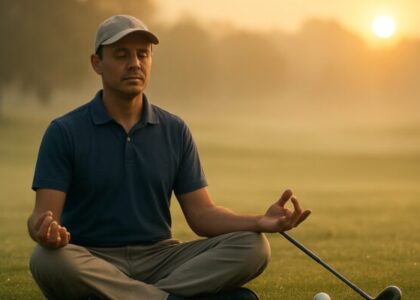

Essential Mental Strategies for Senior Golfers Facing Local Conditions
How Can Seniors Adapt to Unpredictable Coastal Breezes?

Senior golfers in South Africa frequently encounter erratic coastal breezes that can disrupt their focus during lengthy rounds, particularly at renowned seaside venues like the Durban Country Club. To counteract these challenges, establishing a reliable routine is crucial. Implementing a consistent pre-shot routine enables golfers to maintain their composure and concentrate on their performance, even amidst shifting winds.
Learning to adjust to these breezes can significantly enhance a golfer's performance. For example, seniors might find it helpful to visualise the wind's impact on the ball's flight path before each shot. This mental preparation assists in alleviating the stress associated with sudden gusts, ensuring players remain calm and focused throughout their games.
Incorporating mindfulness techniques, such as staying present and acknowledging the wind without allowing it to dictate play, can further improve concentration. By concentrating on the process instead of the outcome, seniors can better manage their mental game, resulting in more enjoyable and successful rounds.
What Breathing Techniques Are Effective for Humid Conditions?
Seniors can greatly benefit from customised breathing exercises tailored to the humid environments often found on South African courses, particularly in the humid subtropical regions of KwaZulu-Natal. These breathing methods help maintain stable heart rates while traversing the fairways, contributing to improved focus and reduced anxiety.
One practical technique is diaphragmatic breathing, which involves taking deep breaths through the nose, allowing the abdomen to expand, and exhaling slowly through the mouth. Regular practice of this technique before and during a round can assist seniors in managing their energy levels and combating fatigue, especially during hotter parts of the day.
Rhythmic breathing—where golfers synchronise their breath with their steps—can be particularly advantageous. This method promotes relaxation while also enhancing concentration, allowing seniors to stay engaged with their game as they navigate the course.
How Can Seniors Set Daily Goals at Local Golf Courses?
Establishing daily goals can significantly boost a senior golfer's performance and enjoyment on the course. For example, seniors playing at Johannesburg clubs can set specific, attainable targets for each round, such as enhancing their putting accuracy or minimising lost balls. This goal-oriented approach fosters purpose and motivation.
Key advantages of setting goals include:
- Increased focus on particular facets of the game
- Enhanced motivation to practice
- Boosted self-efficacy and confidence
- Improved management of expectations during play
Seniors often report steadier rounds following consistent goal-setting in familiar surroundings. By evaluating their progress after each game, they can adjust their objectives, ensuring ongoing improvement and a more fulfilling golfing experience.
How Does Sun Exposure Impact Focus on the Golf Course?

When Is the Best Time to Tee Off to Avoid Peak Sunlight?
Seniors in South Africa frequently opt for early morning tee times to minimise sun exposure on open fairways. This approach not only maintains mental clarity but also boosts overall performance throughout the round. By starting early, golfers can enjoy cooler temperatures, which helps sustain energy levels and focus.
Beyond comfort, playing during cooler periods of the day reduces the likelihood of heat-related fatigue. Seniors are more likely to remain hydrated and alert, enabling them to concentrate more effectively on their game. This is especially critical on courses with long stretches of open fairways, where sunlight can be particularly harsh.
Scheduling tee times in accordance with the sun's position also helps golfers avoid glare and harsh lighting conditions. By being mindful of weather and sun patterns, seniors can enhance their playing experience, leading to improved performance and enjoyment on the course.
How Can Shade Breaks Be Utilised Effectively?
Strategic shade breaks under local trees or shelters can significantly benefit seniors. These pauses allow golfers to mentally reset and return to play with renewed focus on each shot. Taking a moment to step into the shade can help lower body temperature and alleviate fatigue, which is particularly important during extended rounds.
During these breaks, seniors can engage in light stretching or practise breathing exercises to maintain their concentration. This practice can be particularly valuable on hot days when the sun’s intensity can lead to distractions and decreased performance.
Using shade breaks as a moment for reflection can bolster mental resilience. By evaluating their performance and recalibrating their mindset, seniors can approach the next holes with fresh energy and renewed determination.
What Headwear Is Best for Reducing Glare?

Selecting appropriate headwear can significantly diminish eye strain and help seniors remain mentally engaged without distraction. Lightweight hats and caps specifically designed for South African conditions are essential for shielding against the sun's glare and maintaining focus on the fairways.
Choosing hats made from breathable materials with wide brims ensures maximum coverage and comfort. This not only protects the eyes from harsh sunlight but also aids in regulating body temperature, allowing seniors to concentrate on their game rather than discomfort from the heat.
Investing in polarised sunglasses can further enhance visibility on the course. These glasses reduce glare and improve visual clarity, enabling seniors to better assess distances and obstacles. By prioritising suitable headwear, golfers can enhance their performance and overall enjoyment of the game.
Insights from Experts on Mental Game Strategies for Seniors
What Real-World Examples Can Be Found in Pretoria Clubs?
Adjusting mental strategies for seniors can lead to significant performance improvements, as demonstrated by insights from experienced coaches at Pretoria clubs. Many seniors have achieved success by integrating mindfulness techniques that foster focus and alleviate anxiety during play.
Coaches frequently suggest practising visualisation techniques, where seniors envision successful shots prior to executing them. This mental rehearsal can boost confidence and enhance outcomes on the course. By incorporating these strategies into their regular practice, seniors can build mental resilience and refine their overall game.
Clubs in Pretoria have observed positive results from group workshops centred around mental game strategies. These sessions encourage seniors to share experiences and learn from one another, fostering a supportive community that enhances their mental approach to golf.
What Routines Help Seniors During Extended Rounds?
Establishing structured routines can greatly benefit seniors during long rounds on South African golf courses. By creating a consistent pre-round ritual, seniors can mentally prepare for the challenges ahead, ensuring they remain concentrated from the first tee to the final hole.
An effective routine might include a warm-up that combines physical stretching with mental exercises. This approach not only readies the body for the physical demands of the game but also helps seniors mentally engage with their strategy and objectives for the round.
Incorporating regular breaks for hydration and reflection throughout the round can further combat fatigue. By taking a moment to evaluate their performance and adjust their mindset, seniors can maintain sharp focus and enhance their overall enjoyment of the game.
What Actionable Steps Can Seniors Take for Better Course Management?
Expert coaches advocate for seniors to map out local hazards in advance as a vital step toward improving their mental performance on the course. By becoming familiar with potential challenges, seniors can devise strategies for effectively navigating these obstacles.
One actionable step is to create a personalised course map highlighting specific hazards, such as water hazards and bunkers. This visual aid serves as a mental reference during play, empowering seniors to make informed decisions about their shots.
Seniors should practise course management techniques, such as playing to their strengths and avoiding risky shots. By prioritising smart decision-making over aggressive play, seniors can enjoy more consistent mental performance and ultimately achieve better results.
What Breathing Techniques Are Most Effective for Seniors?
How Does Box Breathing Help Before Putting?
Box breathing is a highly effective technique that seniors can utilise to steady their nerves while putting on the greens of Durban courses. This method involves inhaling deeply for a count of four, holding the breath for four counts, exhaling for four counts, and pausing for another four counts. This structured approach calms both the mind and body, alleviating tension during critical moments.
Incorporating box breathing into a pre-putt routine can enhance focus and improve putting performance. By taking a moment to centre themselves before each putt, seniors can clear their minds of distractions and approach the shot with renewed confidence.
Regularly practising box breathing can foster resilience over time. As seniors grow more familiar with this technique, they will find it easier to manage stress and maintain composure during competitive play.
What Are the Advantages of Rhythmic Breathing While Walking?
Synchronising breathing with steps is an effective technique that helps seniors maintain calm energy levels while navigating the undulating South African terrain. This rhythmic approach promotes relaxation and supports ongoing concentration as golfers move through the course.
By inhaling for several steps and then exhaling for the next few, seniors can create a natural rhythm that enhances their overall experience. This method aligns physical movement with mental focus, allowing seniors to remain engaged with their surroundings and their game.
To improving focus, rhythmic breathing can also enhance stamina. As seniors maintain a steady breathing pattern, they are likely to experience less fatigue, enabling them to enjoy longer rounds without compromising their performance.
How Can Seniors Combine Breathing with Visualisation Techniques?
Combining breath control with mental imagery of successful shots is a potent technique for seniors playing at familiar local courses. This combination not only boosts confidence but also sharpens focus during critical moments on the course.
Before each shot, seniors can take a moment to visualise the desired outcome while practising their breathing techniques. This mental rehearsal reinforces positive outcomes, making it easier to execute the shot with assurance.
Integrating visualisation into practice sessions can strengthen this skill over time. By regularly imagining successful scenarios, seniors can cultivate a more resilient mental game, ultimately leading to improved performance during actual rounds.
Research-Backed Advantages of Mental Game Strategies for Seniors
What Expert Analyses Reveal About Improved Scores?
Research indicates that seniors who apply mental strategies achieve better results on South African courses. Experts point to measurable improvements in accuracy and enjoyment, with many golfers reporting enhanced scores after adopting mental techniques in their play.
For instance, studies reveal that golfers who engage in mindfulness and focus strategies experience a significant boost in their overall performance. By alleviating anxiety and sharpening concentration, these mental approaches empower seniors to perform at their best.
The benefits of mental game strategies extend beyond mere scores. Many seniors also report heightened enjoyment and satisfaction on the course, feeling more in control of their games and better equipped to tackle challenges.
How Can Seniors Track Progress Using Simple Journals?
Seniors can gain substantial advantages by jotting down mental notes after rounds at Cape Town clubs to identify patterns and refine their approach over time. Maintaining a straightforward journal enables golfers to reflect on their performance, noting both achievements and areas needing improvement.
By capturing specific thoughts and feelings experienced during play, seniors can gain insights into their mental game. This practice allows them to identify triggers that disrupt focus and develop strategies to address them in future rounds.
Periodically reviewing these journals can provide motivation and a sense of accomplishment. As seniors monitor their progress, they can celebrate advancements and establish new goals, fostering a continuous cycle of growth and development.
What Insights Emerge from Local Club Studies?
Actionable insights derived from local club data illustrate how seniors can enhance focus during competitive play. For example, South African clubs have conducted studies demonstrating the effectiveness of mental game workshops, where seniors exchange strategies and learn from each other.
These workshops often prioritise practical techniques, such as goal setting and mindfulness practices, which have proven to improve mental performance. Participants frequently express feeling more connected to their game and better prepared to handle pressure situations.
By applying these insights, seniors can create tailored strategies that resonate with their unique experiences on the course. This personalised approach not only boosts focus but also cultivates a greater sense of community among local golfers.
What Cognitive Health Improvements Are Associated with Mental Game Strategies?
Research conducted by sports psychologists in South Africa demonstrates that seniors employing mental game techniques for golf experience enhanced cognitive function and a decreased risk of age-related decline. These findings underscore the significance of mental engagement in preserving overall quality of life on the greens.
By practising mindfulness and focus techniques, seniors can sharpen their cognitive abilities, leading to improved decision-making and performance. This mental stimulation is essential for maintaining brain health as golfers age, ensuring they continue to enjoy the sport they love.
The social elements of golf contribute to cognitive health. Interacting with fellow players and participating in club activities fosters a sense of belonging and purpose, crucial for overall well-being.
How Can Positive Self-Talk Improve Golf Performance?
How Can Seniors Replace Negative Thoughts at the Tee?
Seniors in South Africa can greatly benefit from replacing self-doubt with empowering phrases to approach each drive with confidence. Positive self-talk nurtures a mindset that embraces challenges rather than avoiding them. By affirming their abilities before each shot, seniors can enhance their performance on the course.
For instance, instead of thinking, “I hope I don’t hit it into the water,” seniors can shift their mindset to “I can make this shot.” This change in perspective can profoundly impact outcomes, leading to more successful drives and improved scores.
Consistently practising positive self-talk can build resilience over time. As seniors reinforce their self-belief, they become more adept at handling setbacks and maintaining focus throughout their rounds.
What Tailored Affirmations Can Address Local Challenges?
Crafting affirmations that address common obstacles, such as wind or rough terrain, strengthens mental resilience during rounds at inland courses. By recognising these challenges and preparing for them mentally, seniors can approach their game with a proactive mindset.
For example, affirmations like “I am adept at adjusting my shots for the wind” empower seniors to feel more in control when confronting difficult conditions. This mental preparation helps them focus on executing their strategy rather than worrying about potential pitfalls.
Incorporating these tailored affirmations into pre-round routines can enhance confidence and performance. By reinforcing positive beliefs, seniors can cultivate a resilient mindset that elevates their overall enjoyment of the game.
How Can Seniors Reinforce Success After Each Hole?
Reflecting positively on successful shots fosters momentum for seniors, enabling them to maintain high spirits throughout South African competitions. By taking the time to acknowledge their achievements, seniors can strengthen their confidence and uphold a strong mental game.
After every hole, seniors can reflect on what went well, whether it's a great drive or an excellent putt. This practice not only boosts morale but also helps golfers concentrate on their strengths instead of fixating on mistakes.
Sharing these successes with playing partners creates a supportive atmosphere that encourages camaraderie and motivation. By celebrating achievements together, seniors can enhance their overall experience on the course.
How Can Practising Self-Talk Improve Skills During Practice Rounds?
Seniors in South Africa frequently practise self-talk during practice rounds to build resilience. By repeating positive phrases while refining their skills at local ranges, golfers can strengthen their mental game and enhance focus, consistency, and performance in actual competitions.
Incorporating self-talk into practice routines allows seniors to develop a robust mental framework. By affirming their abilities and visualising successful shots, they can approach their game with confidence and clarity.
This practice assists seniors in identifying and addressing negative thought patterns before they become entrenched. By actively engaging in positive self-talk, seniors can foster a mindset that supports their growth and enjoyment of the game.
What Post-Round Reflection Practices Support Improvement?
How Can Seniors Review Key Moments Using a Notebook?
Seniors can benefit from documenting mental highlights and challenges after playing at local courses. This approach allows golfers to reflect on their performance and pinpoint specific areas needing improvement, guiding future preparation and consistent progress.
By noting key moments, such as successful shots or instances when focus wavered, seniors can gain valuable insights into their mental game. This reflection helps reveal patterns that may influence performance, enabling golfers to develop targeted strategies for improvement.
Reviewing these notes periodically can provide motivation and a sense of accomplishment. As seniors track their development, they can celebrate their successes and set new goals, promoting a continuous cycle of improvement.
What Lessons Can Be Learned from Challenging Holes?
Analysing challenging holes helps seniors formulate targeted mental strategies tailored to South African course designs. By reflecting on difficult experiences, golfers can identify specific obstacles and create plans to tackle them in future rounds.
For example, if a senior struggles with a particular hole, they can evaluate their approach and contemplate necessary adjustments. This might involve practising specific shots or devising a new strategy for overcoming that hole.
Discussing these insights with fellow golfers can also be productive. By sharing challenges and strategies, seniors can learn from each other, enhancing their overall mental game and improving performance on the course.
How Can Seniors Share Insights with Playing Partners?
Participating in group discussions about mental game strategies can strengthen seniors' mental performance through shared experiences at clubs. By exchanging insights and challenges, golfers can foster a supportive community that enhances their overall performance.
Key benefits of group discussions include:
- Heightened motivation and accountability
- Opportunities to learn from others' experiences
- Development of new strategies and techniques
- Increased camaraderie and support
These discussions can occur informally on the course or during club meetings. By fostering open dialogue about mental game strategies, seniors can collectively enhance their performance and enjoyment of the game.
How Can Seniors Evaluate Their Emotional Responses During Rounds?
Seniors can critically assess their emotional responses and mental focus during each round played on local South African courses. By identifying specific instances where concentration faltered, seniors can build greater resilience and significantly improve future outings.
Reflecting on emotional reactions to various situations, such as a missed putt or a challenging lie, enables seniors to pinpoint triggers that could affect their performance. This awareness is essential for developing strategies to manage emotions effectively during play.
Discussing these evaluations with playing partners can yield valuable insights and support. By sharing experiences, seniors can learn from each other and enhance their overall mental game, leading to improved performance on the course.
FAQs
What are effective mental techniques for senior golfers?
Effective mental techniques for senior golfers include developing consistent pre-shot routines, practising mindfulness, and setting achievable goals. These strategies can enhance focus and alleviate anxiety during play.
How can seniors manage distractions caused by coastal winds?
Seniors can manage distractions from coastal winds by practising visualisation techniques and establishing steady routines. This preparation helps maintain concentration despite changing conditions.
What breathing techniques are beneficial for humid conditions?
Diaphragmatic and rhythmic breathing techniques are advantageous for seniors in humid conditions. These methods help regulate heart rates and maintain focus while navigating the course.
How does sun exposure affect seniors while playing golf?
Sun exposure can lead to fatigue and diminished focus. Seniors can mitigate these effects by scheduling early tee times and wearing appropriate headwear to protect against glare.
What role does positive self-talk play in golf performance?
Positive self-talk enhances performance by replacing negative thoughts with encouraging phrases. This shift in mindset fosters confidence and improves outcomes on the course.
How can seniors track their progress in golf?
Seniors can track their progress by maintaining a journal to record mental notes after rounds. This practice helps identify patterns and refine their approach over time.
What are the benefits of sharing experiences with fellow golfers?
Sharing experiences with fellow golfers provides motivation, accountability, and opportunities to learn from one another. This collaborative approach strengthens the mental game.
How can seniors develop resilience in their mental game?
Seniors can develop resilience by practising self-talk, reflecting on challenges, and employing breathing techniques. These strategies help manage stress and maintain focus during play.
What is the impact of mental game strategies on cognitive health?
Mental game strategies can enhance cognitive health by improving focus and decision-making. Engaging in these practices helps seniors maintain cognitive function and overall well-being.
How can seniors improve their performance on difficult holes?
Seniors can enhance performance on challenging holes by analysing their approach, identifying specific obstacles, and developing targeted strategies for future rounds. This reflective practice promotes growth and improvement.