

Essential Features Every Local Golfer Should Consider in a Golf Fitness Tracker
Evaluating Durability for Humid South African Conditions
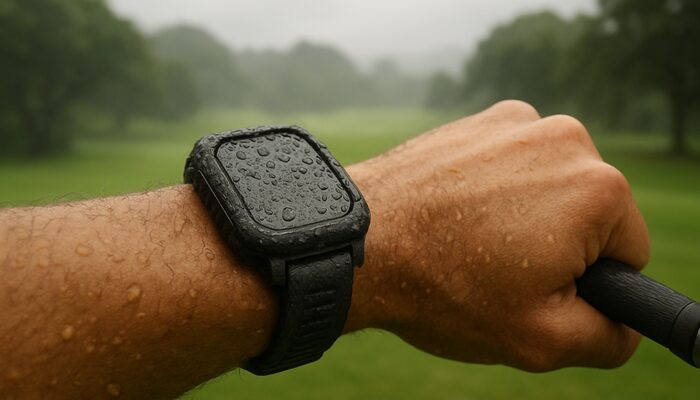
Choosing a golf fitness tracker that can endure the diverse climates of South Africa is vital for local golfers. The humid environments, particularly in coastal areas like Durban, can affect the durability and functionality of electronic devices. Seek out trackers with strong water and dust resistance ratings to ensure they can withstand the demands of regular use on the golf course.
Pay attention to the materials used in the device's construction. Trackers made from high-quality plastics and rubberized finishes typically offer superior protection against moisture and physical damage. A durable design is essential for golfers who frequently play, as it ensures that the tracker remains functional and accurate despite prolonged exposure to the elements.
Lastly, look for user reviews that specifically mention performance in humid conditions. Insights from other golfers can reveal how well a tracker performs under the unique weather patterns found in various regions of South Africa, aiding you in making a well-informed decision.
How to Assess Heart Rate Monitoring Precision
Heart rate monitoring is a critical feature for golfers aiming to enhance their fitness and performance. An accurate heart rate monitor provides insights into your exertion levels throughout a round, allowing you to manage your energy and endurance effectively. When selecting trackers, prioritize those that utilize optical sensors for real-time heart rate monitoring, as they typically deliver greater accuracy than older models.
To precise measurements, look for features that permit tracking your heart rate over time. Many devices offer insights into your resting heart rate, recovery times, and heart rate variability. This data is invaluable for gauging your fitness level and making necessary adjustments to your training regimen.
Ensure that the device can sync effortlessly with your smartphone or fitness apps. This connectivity enables comprehensive analysis of your heart rate data, helping you recognize trends and make informed decisions regarding your fitness strategy on the course.
Exploring GPS Integration Features
GPS integration is a crucial aspect of any golf fitness tracker, particularly for those playing on South African courses. A dependable GPS system provides accurate distance measurements to the green, hazards, and fairways, enhancing your overall game strategy. Here are some key advantages of GPS integration for local players:
- Exact course mapping tailored to South African golf layouts.
- Real-time distance monitoring to various points on the course.
- Capability to measure shot distances for improved club selection.
- Integration with course management apps for better gameplay analysis.
Select devices that come with preloaded courses or those that allow you to download new ones, as this can improve your experience and save time. consider battery life, since GPS usage can quickly drain power, especially during lengthy rounds. A tracker that effectively balances GPS functionality with battery efficiency will serve you best on the course.
Expert Recommendations for Selecting a Golf Fitness Tracker
Which Factors Influence Longevity on the Course?
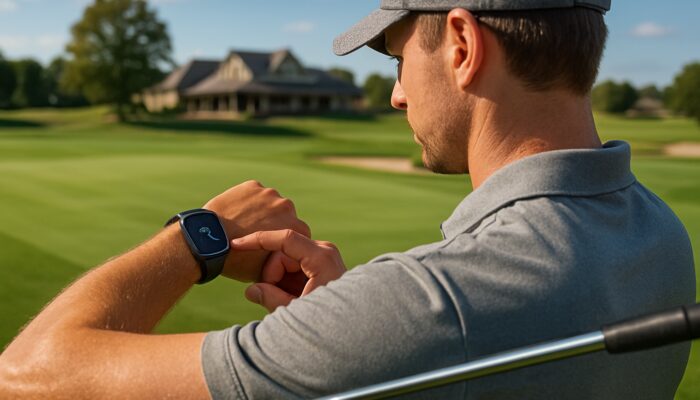
The longevity of a golf fitness tracker during play is determined by several factors, with power consumption being particularly significant. In South Africa, where sunny conditions are prevalent, the device's ability to function optimally in bright sunlight is essential. Certain trackers may struggle with battery life when GPS and heart rate monitoring features are utilized simultaneously, causing interruptions during play.
To maximize your device's lifespan throughout your game, consider models equipped with power-saving modes. These features can prolong battery life by reducing the frequency of GPS updates or dimming the screen during periods of inactivity. Understanding how your selected device manages power consumption can greatly enhance your overall experience.
Review user feedback regarding battery performance in real-world settings. Insights from fellow golfers can clarify how the device performs during extended rounds, helping you make a more informed choice tailored to your specific playing habits.
Choosing Models with Enhanced Battery Life
When selecting a golf fitness tracker, prioritizing models with extended battery life is crucial, particularly for dedicated golfers who often play long rounds. Look for devices that advertise multiple days of battery life, especially when utilizing GPS and heart rate monitoring features. These models typically feature advanced battery management systems designed to optimize performance.
Testing devices in actual playing scenarios prior to purchase can be advantageous. If possible, borrow or rent a tracker to assess its performance during a full round. Pay attention to how quickly the battery depletes while using active features and whether the device remains reliable throughout your game.
Explore the available charging options. Some trackers come with quick-charge capabilities, allowing for recharging between rounds. This feature can be invaluable for golfers who play frequently and require a dependable device with minimal downtime.
Finding the Right Balance Between Features and Power Needs

Striking the right balance between features and power needs is essential when selecting a golf fitness tracker. While advanced features such as GPS, heart rate monitoring, and swing analysis can enhance your game, they often come with a trade-off in battery life. Assess your playing style and identify which features you will utilize most frequently to make an informed decision.
For example, if you primarily play on well-mapped courses, you may prioritize GPS accuracy over advanced swing metrics. On the other hand, if improving your technique is your primary goal, consider investing in a tracker that offers detailed swing analysis, even if it requires more frequent charging.
Understanding how each feature affects battery consumption can help you select a device that meets your needs without sacrificing performance. Look for trackers that allow you to customize settings, enabling you to activate or deactivate features based on your preferences and the course conditions.
How Does Battery Life Impact Your Golf Experience?
Battery life directly affects your performance and overall experience on the golf course. A device that loses power mid-round can disrupt your game, leaving you without vital data or distance measurements. Reliable battery performance ensures you have access to all features throughout your round, which facilitates better decision-making and enhances gameplay.
A tracker with extended battery life can encourage more frequent use during practice sessions and casual rounds. The more you utilize the device, the more data you can gather, leading to better insights into your game. This consistent use can help you identify trends and areas that need improvement over time.
Lastly, consider how battery life influences your overall training regimen. A tracker that requires frequent recharging may limit your ability to consistently monitor your fitness levels. Opting for a device with a longer battery life allows for more effective progress tracking, ultimately leading to improved performance on the course.
Proven Strategies for Choosing the Right Golf Fitness Tracker
Comparing Sensor Technologies for Enhanced Performance
The type of sensor technology utilized in golf fitness trackers can significantly impact the quality of swing data collected. Optical sensors are commonly employed for heart rate monitoring, while accelerometers and gyroscopes are crucial for tracking movement and swing metrics. Understanding these technologies can guide you toward a device that provides precise data for enhancing your technique.
Seek trackers that integrate multiple sensor technologies to offer a comprehensive analysis of your swing. Devices that combine motion sensors with heart rate monitors can deliver insights into how your physical condition affects your performance. This multifaceted approach allows for adjustments to your technique based on real-time feedback.
Consider the brand reputation regarding sensor accuracy. Research user reviews and expert opinions to identify models known for reliable data collection. A tracker with proven sensor technology can significantly assist you in refining your skills and improving your overall game.
Assessing User Comfort While Playing
User comfort is a critical consideration when choosing a golf fitness tracker, as you'll want a device that you can wear throughout your entire round without discomfort. Look for models crafted from lightweight materials and ergonomic shapes that conform comfortably to your wrist. A comfortable fit allows you to concentrate on your game without the distraction of adjusting or fiddling with your tracker.
Consider the strap materials. Silicone or breathable fabrics are often preferred for their comfort and resistance to sweat. A tracker that can endure the heat of a South African summer without causing irritation will enhance your overall experience on the course.
Check if the device offers adjustable sizing options. A well-fitting tracker not only feels more comfortable but also ensures that sensors maintain close contact with your skin for precise readings. Comfort should never be underestimated, as it plays a vital role in your ability to perform optimally.
Ensuring Compatibility with Local Golf Apps
Compatibility with local applications is an important factor when selecting a golf fitness tracker. Many golfers rely on specific apps for course management, swing analysis, and performance tracking. Make sure your chosen device can effortlessly integrate with popular local apps, such as Golf GameBook or 18Birdies, to enhance your overall experience.
Look for features that facilitate easy synchronization of data between your tracker and mobile applications. This connectivity allows for performance analysis, progress tracking, and sharing data with fellow golfers or coaches. A tracker that works well with local apps can provide additional insights tailored to South African courses, thereby enhancing your gameplay.
Consider the user interface of the app. A well-designed app that is intuitive and easy to navigate can significantly improve your experience. Seek reviews or recommendations from other golfers to identify apps that work best with your selected device, ensuring you maximize the benefits of your golf fitness tracker.
What Accuracy Levels Should You Look For?
How Accurate is Distance Tracking for Your Game?
Distance tracking accuracy is vital for golfers seeking to improve their game. Precise measurements assist in making better club selections and enhancing shot placement. In South Africa, where courses can vary widely in elevation and layout, choosing a device that accounts for these factors is essential.
Calibration methods are critical in ensuring accurate distance tracking. Look for trackers that allow calibration based on your specific course conditions, including elevation changes. This feature enables you to make more informed decisions about your shots, leading to improved overall performance.
Consider the quality of the GPS technology integrated into the device. High-quality GPS systems deliver precise distance measurements even in challenging environments. Research user reviews to find devices that consistently provide accurate data, ensuring you can trust the information during your rounds.
Evaluating Motion Detection Reliability
Reliable motion detection is essential for golfers aiming to enhance their swing mechanics. A device that accurately tracks your movements can provide valuable insights into your technique, helping you make adjustments for improved performance. Here are some key benefits of dependable motion detection for local play styles:
- Enhanced swing analysis for improved technique.
- Real-time feedback on swing speed and angle.
- Data-driven insights for personalized training plans.
- Greater understanding of how physical condition influences performance.
Select a tracker that employs advanced motion sensors to capture data accurately. Choose devices that offer detailed analytics, enabling you to identify patterns and make informed adjustments to your swing. This level of detail is crucial for refining your technique and boosting your overall game.
Review user testimonials that emphasize the accuracy of motion detection features. Feedback from fellow golfers can help you identify devices that consistently perform well, ensuring you select a tracker that fulfills your needs on the course.
Assessing Data Sync Speeds
Data sync speeds can significantly influence your experience with a golf fitness tracker. A device that rapidly transfers data to your smartphone or app allows for real-time analysis and feedback, enhancing your ability to make adjustments during practice or play. Seek trackers that highlight fast sync capabilities to ensure you can access your data without delay.
Consider the reliability of the connection between the tracker and your device. A stable connection is essential for seamless data transfer, especially when using GPS and other features during a round. Investigate user experiences to identify which models are known for reliable syncing.
Check if the device offers cloud storage or backup options for your data. This feature provides peace of mind, ensuring your performance metrics are securely stored and easily accessible for future analysis. A tracker with effective data management capabilities can significantly enhance your overall experience.
Understanding the Impact of Weather Variability
Weather variability is a crucial factor to consider when selecting a golf fitness tracker. The diverse landscapes and climates of South Africa can affect the precision of measurements. For instance, humidity levels can influence sensor accuracy, while altitude changes can impact distance tracking. A device that adapts to these variables will provide more reliable data during your rounds.
Choose a tracker that incorporates adaptive features, such as automatic calibration based on local conditions. This capability helps ensure your measurements remain accurate regardless of the weather. look for devices designed to withstand various environmental conditions, such as rain or extreme heat.
Research user feedback regarding how well a tracker performs under different weather scenarios. Insights from local golfers can help you identify devices that consistently deliver trustworthy data, enabling you to make a well-informed choice based on your playing environment.
Research-Backed Advantages of Choosing the Right Golf Fitness Tracker
Tracking Performance Improvements Over Time
Utilizing a golf fitness tracker can lead to significant performance enhancements over time. Many golfers report improvements in their game after consistently monitoring their statistics and metrics. For instance, a player who uses a tracker to assess their swing speed and accuracy can pinpoint areas for development, resulting in better performance on the course.
Real-world examples showcase the effectiveness of these devices. A golfer who routinely plays at the Gary Player Country Club may leverage a tracker to analyze their performance on the challenging course layout, enabling them to adapt their strategy and improve their scores over time. This data-driven approach can foster enhanced endurance and consistency throughout rounds.
Analyzing performance trends allows golfers to set achievable goals and track their progress. This accountability motivates players to remain committed to their training and practice routines, ultimately leading to improved results on the course.
Recognizing the Importance of Recovery Metrics
Recovery metrics are a crucial component of fitness tracking that many golfers may overlook. Understanding how your body responds to physical exertion can optimize your training and performance. Golf fitness trackers typically provide insights into recovery times, heart rate variability, and overall fitness levels, which are essential for maintaining peak performance.
By monitoring recovery metrics, you can determine when your body requires rest or when it is ready for more intense training. This knowledge helps prevent burnout and injuries, allowing you to maintain a consistent playing schedule.
Many trackers offer features that enable you to analyze your recovery trends over time. This data can inform your training regimen and help you make necessary adjustments, ensuring you are always performing at your best when you step onto the course.
How Data Correlates to Improved Scores
The ability to link data from your golf fitness tracker to better scores is one of the most compelling reasons to invest in such a device. By tracking key metrics such as swing speed, distance, and heart rate, you can gain insights into how these factors influence your performance. This information aids in making informed decisions on the course, leading to lower scores.
For example, a golfer who utilizes a tracker to analyze their shot performance can identify which clubs yield the best results on specific holes. This data-driven approach facilitates strategic planning and better decision-making during play, ultimately improving your overall game.
Many trackers provide visual representations of your performance data, making it easier to identify trends and areas for improvement. Regularly reviewing this information allows you to set goals and monitor your progress, resulting in a more focused and effective training regimen.
Monitoring Heart Rate Trends for Enhanced Performance
Tracking heart rate trends is a vital element in optimizing your performance on the golf course. Studies conducted on professional golfers indicate that consistent use of fitness trackers aids in monitoring heart rate variability, which leads to better stress management during play. Understanding how your heart rate reacts to different situations enables you to develop strategies to maintain composure under pressure.
Many golfers have reported substantial improvements in their overall game strategy and endurance levels after incorporating heart rate monitoring into their training. A tracker that provides insights into your heart rate trends can help manage your energy levels throughout a round, ensuring you remain focused and alert.
Tracking heart rate trends over time can help you identify patterns related to fatigue and recovery. This information can guide your training decisions, optimizing your performance and maintaining a competitive edge on the course.
Which Brands Best Suit Local Golfing Conditions?
Investigating Waterproof Designs for Reliable Performance
When selecting a golf fitness tracker, waterproof designs are essential for South African golfers who may encounter rain or wet conditions during play. Look for models that offer an IPX7 or higher water resistance rating, ensuring they can withstand splashes and brief immersion without compromising performance.
Waterproof designs not only protect the device from rain but also from sweat, which can be particularly concerning during hot summer rounds. A tracker that can withstand these conditions will deliver reliable performance and longevity, making it a worthwhile investment for dedicated golfers.
Consider user reviews that highlight the effectiveness of waterproof features. Feedback from local golfers can provide insights into how well a device performs in real-world conditions, assisting you in selecting a tracker that aligns with your needs.
What Support Networks Are Available Nearby?
Access to support networks is crucial when choosing a golf fitness tracker. Investigate the service centers available in major urban areas like Johannesburg or Cape Town to ensure quick repairs and maintenance without interrupting your practice schedule. A dependable support network provides peace of mind, knowing that assistance is easily accessible if needed.
Visit the manufacturer's website for information on local service centers and warranty options. Some brands may offer extended warranties or support services that enhance your overall experience with the device.
Consider the availability of replacement parts or accessories in your area. A tracker with readily accessible components will ensure you can maintain its performance over time, making it a practical choice for local golfers.
Aligning Budgets with Quality Devices
Finding the right balance between budget and quality is vital when selecting a golf fitness tracker. While opting for the cheapest option may be tempting, investing in a quality device can lead to better performance and durability. Here are some advantages of aligning your budget with quality:
- Enhanced accuracy and reliability of data.
- Longer battery life for extended use.
- Superior customer support and warranty options.
- Improved features for tracking and analyzing performance.
Consider your playing habits and how often you plan to use the device. A higher-quality tracker may be a more worthwhile investment for avid golfers who play regularly. Research user reviews to identify models that deliver the best value for your budget, ensuring you make a well-informed choice.
Keep an eye out for seasonal sales or promotions that may allow you to purchase a higher-quality device within your budget. Timing your purchase can lead to substantial savings while still securing a reliable and effective golf fitness tracker.
Evaluating Prices and Overall Value
Understanding Warranty Terms for Peace of Mind
Warranty terms are a key consideration when comparing prices and value for golf fitness trackers. A solid warranty provides peace of mind, ensuring protection against defects or issues that may arise during normal use. Seek devices that offer extended warranties or satisfaction guarantees, as these can reflect a manufacturer's confidence in their product.
Review the warranty terms carefully. Some brands may offer comprehensive coverage that includes accidental damage or battery replacements, while others may have more limited policies. Understanding the specifics of the warranty can help you make a more informed choice based on your needs.
Lastly, check user feedback regarding warranty claims. Insights from other customers can clarify how responsive a brand is to warranty issues, ensuring you choose a tracker that provides reliable support when needed.
Identifying Hidden Costs in Your Investment
When comparing prices for golf fitness trackers, it is crucial to recognize any hidden costs that may affect your overall investment. Some devices may require additional subscriptions for premium features or app access, which can accumulate over time. Be diligent in reading the fine print and understanding what is included with your purchase.
Consider the cost of accessories such as replacement bands, charging cables, or screen protectors. While these items can enhance your experience, they may also contribute to your overall budget.
Lastly, factor in potential repair costs. A tracker that is difficult or expensive to repair may not be the best long-term investment. Research user experiences regarding repair processes and costs to ensure you select a device that offers good value in the long run.
Assessing Long-Term Investment Returns
Evaluating long-term investment returns is key when selecting a golf fitness tracker. Although it may be tempting to choose a less expensive option, consider how the device will perform over time. A higher-quality tracker may provide better accuracy, durability, and features, leading to improved performance on the course.
Consider the potential for data-driven improvements in your game. A tracker that delivers valuable insights can lead to better decision-making and lower scores, ultimately enhancing your enjoyment of the sport.
Think about the resale value of the device. Some brands retain their value better than others, making them a smarter investment if you decide to upgrade in the future. Investigate market trends to identify models that are likely to maintain their value, ensuring you make a sound financial choice.
Frequently Asked Questions
What Features Should I Prioritize in a Golf Fitness Tracker?
Focus on essential features such as GPS accuracy, heart rate monitoring, durability, and compatibility with local apps. Consider your playing style and preferences to select a device that aligns with your needs.
Are Golf Fitness Trackers Waterproof?
Many golf fitness trackers offer varying levels of water resistance. Look for devices with an IPX7 rating or higher to ensure they can withstand rain or sweat during play.
How Critical is GPS Accuracy in a Golf Fitness Tracker?
GPS accuracy is vital for distance measurements on the course. Reliable data assists with club selection and shot placement, ultimately enhancing your game.
Can I Use a Golf Fitness Tracker for Other Sports?
Yes, many golf fitness trackers also include features suitable for other sports, such as running or cycling. Check the device specifications to confirm its versatility.
What Maintenance Does My Golf Fitness Tracker Require?
To keep your tracker in optimal condition, clean it regularly, avoid exposing it to extreme temperatures, and update the software as needed. Follow the manufacturer's guidelines for best performance.
What is the Typical Battery Life of a Golf Fitness Tracker?
Battery life varies by model, but most trackers provide between 5 to 20 hours of active use, depending on features like GPS and heart rate monitoring.
Do I Need a Smartphone to Use a Golf Fitness Tracker?
While many trackers can operate independently, having a smartphone enhances the experience by enabling data syncing and access to additional features through apps.
Can I Track My Performance Over Time with a Golf Fitness Tracker?
Yes, most golf fitness trackers allow you to monitor your performance metrics over time, helping you identify trends and areas for improvement in your game.
Are There Subscription Fees Associated with Golf Fitness Trackers?
Some devices may require subscription fees for premium features or app access. Review the terms before purchasing to avoid any hidden costs.
Which Brands Are Considered the Best for Golf Fitness Trackers?
Brands such as Garmin, Fitbit, and Bushnell are well-regarded among golfers for their reliability, accuracy, and features specifically designed for the sport. Research user reviews to find the best fit for your requirements.





It’s interesting to see how local conditions can influence the choice of golf fitness trackers. Living in a humid area myself, I’ve faced issues with several tech gadgets, and I’ve learned the hard way just how important water and dust resistance is. I agree wholeheartedly about the need for quality materials—I’ve found that those rubberized finishes really do help with grip and durability on the course.