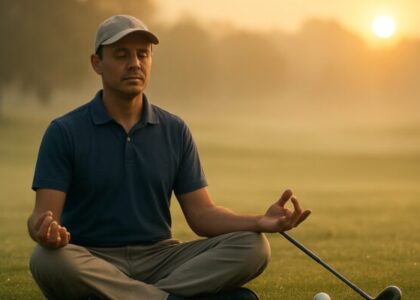

Mastering the Essentials of Preparing for South African Golf Tournaments
Establishing an Effective Routine for Local Golf Courses

South Africa’s stunning landscapes, particularly at Sun City, provide an exceptional setting for golf tournaments. To maintain composure in the competitive atmosphere of events like the SA Open, it is vital to create a personalized pre-tournament routine. This routine may involve early morning walks on the course or engaging in mental rehearsals to prepare both physically and mentally. Renowned players like Ernie Els and Gary Player have frequently emphasized the significance of a structured warm-up approach that prepares them for the challenges ahead. By visualizing success during these morning strolls, golfers can effectively manage their nerves, allowing them to embrace the competitive energy while maintaining their focus and composure.
Consider incorporating personal rituals into your routine, such as listening to soothing music or performing light stretching exercises. Establishing a consistent framework enables players to transition seamlessly into a tournament mindset, thereby enhancing their performance and alleviating anxiety. These practices are not mere anecdotes; they are proven strategies that have accompanied numerous successful South African golfers throughout their careers, helping them navigate the pressures of competition.
How Does Weather Affect Golf Performance?
Understanding the impact of weather conditions in South Africa is crucial for any golfer, especially when competing at coastal venues like East London. The unpredictable variable winds can pose significant challenges, but learning to anticipate these changes can substantially contribute to maintaining calm during tournaments. For example, a player who is adept at adjusting their swing to account for coastal breezes can transform what might otherwise be a source of stress into a strategic advantage on the course.
Local legends often recount tales of how they have adapted to various weather elements, using them to their advantage. For instance, players can observe the wind patterns each morning, offering them valuable insights on how to approach their shots. This awareness fosters a sense of control, allowing players to focus on their game instead of succumbing to weather-related anxieties. By integrating weather knowledge into their preparation, golfers can significantly enhance their performance, contributing to a more relaxed state during competitive play.
Selecting Optimal Equipment for Tournament Success
Choosing the right golf clubs tailored to local terrains is essential for building confidence, particularly in regions with unique landscapes like the Western Cape. Golfers who select equipment suited for fynbos-covered fairways often experience a notable reduction in anxiety. Understanding which gear performs best under specific conditions enables players to adapt their strategies effectively, especially during national tournaments.
A well-prepared golfer possesses an in-depth knowledge of their clubs, comprehending not only the technical specifications but also how each club performs in various situations. For example, utilizing a specific putter designed for courses known for undulating greens can make a significant difference. Players who invest time in selecting the right equipment report feeling more at ease, as they trust their gear to support their performance. This confidence translates into improved results and a more enjoyable experience on the course.
How Does Visualization Enhance Performance in South African Golf?

Picturing Ideal Shots on Familiar Courses
Visualization is a potent technique for South African golfers, particularly when envisioning successful shots on well-known courses. For instance, picturing a flawless putt on the greens of Gauteng helps players cultivate mental clarity. Local athletes have shared how this mental strategy has enabled them to counteract the pressures of high-stakes tournaments by generating positive mental outcomes before even stepping onto the course.
The process is straightforward yet effective: players can dedicate a few minutes each day to close their eyes and visualize themselves executing perfect shots. This mental rehearsal not only prepares them for the physical elements of the game but also nurtures a sense of calm. When confronted with the intensity of tournament play, having a mental image of success can serve as a reassuring anchor, guiding players through challenging moments while maintaining clarity and focus.
What Influence Does the Environment Have on Visualization Techniques?
Incorporating the diverse settings of South Africa into the visualization process enhances its effectiveness. The breathtaking backdrop of the Drakensberg hills plays a significant role in calming the mind. By visualizing swings against this magnificent landscape, golfers can integrate natural elements into their mental rehearsals. This technique trains players to envision steady swings while blocking out the distractions posed by large crowds that typically accompany tournaments.
Research indicates that athletes who connect with their surroundings during visualization find it easier to maintain focus and composure. For example, the sounds of rustling leaves or the sight of nearby mountains can ground players, providing a sense of tranquility amid the chaos of competitive play. This connection to the local landscape not only enriches mental imagery but also deepens the golfer’s appreciation for their home turf, enhancing their overall performance.
How to Combine Visualization with Physical Practice?

Integrating visualization techniques with physical practice is a transformative approach for South African golfers. By simulating tournament conditions at local clubs in Pretoria, players gain an intimate understanding of how to maintain composure under pressure. For example, setting up practice rounds with friends while visualizing tournament scenarios allows them to experience the mental and emotional dimensions of competition.
To implement this strategy effectively, golfers can take actionable steps: firstly, dedicate specific practice sessions to mental imagery, followed by physical drills that mirror those visualized scenarios. This dual approach not only builds confidence but also reduces anxiety as players familiarize themselves with their responses to tournament-like situations. The synergy between the mind and body enhances overall performance, ensuring players can handle stress with ease on the actual competition day.
Expert Advice on Maintaining Calmness During South African Tournaments
Exploring Mindfulness Techniques for Golfers
Mindfulness techniques have emerged as essential tools for South African golfers, especially on the challenging high-altitude courses found in Mpumalanga. By practicing mindfulness, players can sharpen their focus and emotional control, tuning out distractions and concentrating solely on their shots rather than the pressures surrounding tournaments.
Local golf experts advocate for the integration of mindfulness into daily routines. Simple practices such as focusing on one's breath or engaging in meditation can significantly enhance a golfer's mental state. The ability to clear the mind fosters the clarity necessary for making critical decisions during competitions. Practices that are specific to the South African environment, such as enjoying quiet moments in nature or reflective walks after a round, contribute to the cultivation of this essential mental discipline.
How Does Mindfulness Enhance Decision-Making Under Pressure?
Mindfulness sharpens decision-making on the fairway, particularly in South Africa's competitive golfing scene. By minimizing the inclination to overthink, golfers can approach each shot with clarity. This mental clarity proves vital during national championships where the stakes are high, and distractions abound.
Local professionals have noted that adopting a mindful approach enables them to make quicker, more informed decisions while maintaining composure. For instance, a player who practices mindfulness may more readily assess their club choice based on the feel of the course rather than succumbing to external pressures from spectators. This ability to remain grounded leads to improved performance, allowing players to trust their instincts and training, even in the most intense situations.
Measuring the Long-Term Impact of Mindfulness on Gameplay
Tracking progress in mindfulness practices can profoundly affect gameplay over time. In environments like the Free State golf circuits, players benefit from monitoring their mindfulness journey. By journaling their experiences and noting improvements, golfers can identify patterns in their emotional responses to tournament challenges, leading to lasting calmness.
Regular check-ins with their mental tools allow players to refine their strategies as they evolve. As golfers become more adept at implementing mindfulness techniques, they notice significant shifts in their ability to handle nerves, resulting in more consistent performance on the course. This long-term approach not only enhances tournament play but also enriches their overall golfing experience.
The Importance of Breathing Exercises in Managing Tournament Stress
Breathing exercises have become essential for managing stress during tournaments, particularly for South African golfers facing high-pressure situations in the breathtaking Cape Winelands. The practice of deep breathing can significantly enhance mental clarity and prevent panic. Local players often utilize these techniques before making crucial shots, ensuring that their focus remains sharp despite the surrounding chaos.
The beauty of breathing exercises lies in their simplicity and effectiveness. For example, players can practice techniques such as the 4-7-8 method, inhaling for four counts, holding for seven, and exhaling for eight. This practice calms the nervous system and reinforces a relaxed state of mind. By incorporating these exercises into their pre-round routines, golfers can significantly improve their performance, allowing for consistent play under pressure.
How to Leverage Team Support for Emotional Stability?
In South Africa's team-oriented tournaments, especially those held in Gauteng, the significance of peer support cannot be overstated. Local experts highlight how camaraderie and encouragement from fellow players foster emotional stability. This sense of community reduces feelings of isolation, enabling golfers to better handle competitive pressures.
Team dynamics play an essential role in maintaining calm during events. For instance, sharing pre-tournament rituals or engaging in group mindfulness sessions can strengthen emotional resilience among team members. Knowing that they have the backing of their peers fosters a positive environment conducive to both personal and collective performance. This support system proves invaluable in ensuring golfers remain focused and calm throughout the highs and lows of competition.
What Are the Benefits of Mindfulness in Golf?
Proven Strategies for Golfing Success in South Africa
Cultivating Resilience Through Local Training
Resilience is a crucial attribute for South African golfers, particularly when facing the unique challenges of local courses. By participating in endurance training sessions at renowned venues like Cape Town’s challenging links, players can develop both mental and physical toughness. This preparation not only enhances their capacity to manage the physical demands of tournaments but also strengthens their mental resilience.
Expert analyses reveal that fostering resilience translates into improved calmness during competition. Golfers who train in South Africa's diverse terrain cultivate a sense of adaptability, enabling them to handle unexpected challenges gracefully. Incorporating drills that simulate tournament conditions helps players prepare mentally for the rigors of competition, ultimately leading to superior performance on the day.
Why is Nutrition and Hydration Essential for Golfers?
Proper nutrition and hydration are paramount, especially given South Africa's warm climate, which can significantly impact performance. Ensuring adequate fluid intake and balanced meals sustains energy levels during play, helping to prevent fatigue-induced anxiety. Players who pay careful attention to their hydration and nutrition report clearer thinking and enhanced focus on the course.
Strategically planning meals before a tournament can provide golfers with the necessary fuel to tackle the challenges ahead. Incorporating local foods rich in carbohydrates and proteins supports sustained energy without causing heavy feelings that could hinder performance. This holistic approach to nutrition not only bolsters physical strength but also promotes mental clarity, allowing golfers to remain composed and focused.
How to Adapt Strategies to Different Golf Terrains?
South Africa's diverse golfing landscapes, ranging from the bushveld of Limpopo to the urban layouts of coastal cities, necessitate adaptive strategies. Customizing gameplay approaches to fit each unique terrain fosters relaxation and enhances performance. Players who practice in varied environments learn to adjust their techniques, instilling confidence in their abilities to tackle different challenges.
For instance, a golfer accustomed to the links-style courses of the Western Cape may need to modify their approach when transitioning to the rugged terrain of the bushveld. Learning to remain relaxed amid such changes significantly boosts tournament readiness. This adaptability, rooted in local experiences, empowers golfers to approach competitions with a calm mindset, fully prepared to tackle whatever challenges arise.
Overcoming Challenges on the Course
How to Manage Crowd Distractions During Events?
In the vibrant tournament atmospheres of South Africa, such as those in Johannesburg, managing crowd distractions is essential for sustaining focus. Techniques to block out the noise of spectators can be invaluable, allowing players to concentrate solely on their game. Quick mental resets, such as taking a deep breath or visualizing their next shot, can help golfers stay centered during high-pressure moments.
Recognizing that crowd distractions are a common aspect of competitive golf empowers players to develop strategies for coping. Setting personal goals for each hole allows golfers to focus on the process rather than external noise. By maintaining a strong personal focus, golfers can continue to perform consistently, despite the vibrant atmosphere surrounding them.
What Common Challenges Do Local Golfers Face?
South African golfers frequently encounter unique challenges during play, including wildlife encounters or sudden weather changes. Understanding and preparing for these obstacles can help maintain composure, turning potential disruptions into manageable aspects of the game. For example, encountering a herd of zebras on the fairway can be surprising, but seasoned players have learned to embrace these moments with humor and perspective.
Preparation can also alleviate stress associated with weather fluctuations. Familiarizing oneself with local climate patterns enables golfers to anticipate shifts that may occur during a round. The ability to adapt to these unexpected elements not only enhances focus but also enriches the overall golfing experience. By viewing these challenges as integral parts of the game, players can approach their rounds with a calmer mindset.
Effective Post-Shot Recovery Techniques
Post-shot recovery is a vital skill for golfers, especially after a poor swing on courses like those in KwaZulu-Natal. Engaging in quick breathing exercises can facilitate recovery and keep players composed for the next hole. Maintaining focus after a mistake is crucial for sustaining performance throughout the tournament.
To enhance post-shot recovery, golfers can consider the following strategies:
- Take a deep breath to reset your mind.
- Visualize a successful shot for your next swing.
- Engage in positive self-talk to alleviate frustration.
- Focus on the process rather than the outcome.
By implementing these simple methods, players can minimize the impact of a poor shot and transition smoothly to the next challenge, ensuring they maintain their competitive edge.
How to Handle Equipment Issues on the Course?
In South Africa's diverse golfing environments, from the lush greens of the Western Cape to the high-altitude courses in Gauteng, managing equipment issues is a critical skill. Golfers should prepare for potential malfunctions, such as breaking a club, by keeping backups and quick fixes in their bags. This level of preparedness helps minimize disruptions and maintain a competitive rhythm.
Having a plan in place for equipment issues can significantly alleviate stress. For instance, knowing how to make quick adjustments or having another club readily available can prevent panic during critical moments. This proactive approach allows players to remain in the zone, focusing on their game instead of worrying about potential hiccups.
How to Sustain Focus Under Pressure?
Identifying Early Signs of Stress During Tournaments
Recognizing early signs of stress during tournaments is crucial for South African golfers. Events in high-pressure settings, like those in Durban, provide valuable opportunities to learn how to identify tension levels before they escalate. By cultivating awareness of their physiological responses—such as racing thoughts or shallow breathing—players can implement timely interventions to regain composure.
Having a toolkit of relaxation techniques prepared in advance allows golfers to respond effectively to these stress signals. The ability to intervene early can alter the trajectory of a round, enabling players to refocus and perform optimally, even when faced with external pressures.
What Quick Relaxation Techniques Can Golfers Use?
Incorporating quick relaxation techniques into their routine is essential for South African players navigating intense moments on the course. Many golfers employ methods such as deep breathing to combat stress, ensuring they maintain concentration throughout competitions. By practicing these techniques regularly, players can effectively manage their anxiety levels.
In preparation for tournaments, golfers might rehearse a series of relaxation exercises that can be easily accessed during a round. For instance, recalling a favorite spot on the course and visualizing a peaceful scene allows them to center their thoughts quickly. These moments of mental clarity play a significant role in maintaining focus, especially during critical shots.
Why Is Regular Focus Drill Practice Important?
Regular focus drills are foundational for South African golfers aiming to manage pressure effectively. Experiences from Pretoria’s golf academies underscore the importance of building habits that enhance concentration. Players who engage in specific exercises, such as targeting a practice hole at various distances, develop stronger focus and clarity over time.
This preparation is vital for maintaining composure during high-stakes rounds. Establishing a routine that incorporates these drills ensures that players enhance their capacity for concentration, allowing them to remain calm and collected when it matters most. The investment of time in these practices pays off on the course, contributing to more confident and effective performances in competitive settings.
How to Utilize Visualization Techniques for Enhanced Focus?
Utilizing visualization techniques in bustling environments like those in Johannesburg can significantly bolster focus for golfers. Local athletes have discovered success in practicing mental imagery to envision their shots, enabling them to navigate high-pressure situations effectively. By picturing each swing, they reinforce a sense of confidence that translates into tangible performance on the course.
Incorporating visualization into practice routines allows players to connect the mental and physical aspects of their game. Pairing this technique with actual swings creates a powerful synergy, enhancing both precision and mental clarity. This approach prepares golfers to handle the rigors of competition, ensuring they can focus deeply on their performance despite surrounding distractions.
Building Long-Term Mental Resilience in Golf
Establishing Daily Mental Exercises
Establishing daily mental exercises is crucial for South African golfers aiming to cultivate lasting calm. Incorporating routines like meditation in stunning Cape Town settings strengthens resilience, preparing players for the mental challenges ahead. Engaging in mindfulness practices daily enhances their ability to cope effectively with tournament pressures.
Creating a structured schedule that includes time for mental exercises fosters a sense of discipline. Over time, players can develop a robust mental toolkit, empowering them to tackle the complexities of competitive play. These ongoing practices serve not only the immediate needs of tournament preparation but also build a foundation for long-term performance enhancement.
How Can Community Support Enhance Mental Resilience?
Leveraging community support plays a significant role in enhancing mental resilience among South African golfers. Engaging with local golf clubs for group sessions fosters a sense of belonging, creating shared experiences that help players develop coping strategies that extend beyond individual events. These connections provide emotional stability, essential for navigating the pressures of competition.
The power of shared experiences cannot be underestimated. By attending workshops or participating in team-building events, golfers build camaraderie that reinforces their mental resilience. This supportive environment encourages players to open up about their challenges, leading to collective growth and improved performance.
Tracking Progress Throughout the Seasons
Tracking progress over seasons is vital for golfers refining their mental toolkit in South Africa. By reviewing performances in national circuits, players can identify strengths and areas for improvement, ensuring they remain calm and effective year after year. This long-term approach to development emphasizes the value of self-awareness in achieving consistent performance.
Implementing a reflective practice, such as journaling or video analysis, allows golfers to capture their growth journey effectively. By noting their thoughts and feelings during various tournaments, they gain insight into their mental resilience and how it influences their gameplay. This reflective process fosters a deeper understanding of their emotional landscape, ultimately contributing to greater poise under pressure.
How to Overcome Mental Blocks Using Visualization?
South African golfers frequently utilize visualization techniques to break through mental barriers, especially in picturesque settings like the Drakensberg. By picturing their ideal performance, players can build enduring resilience, enabling them to perform consistently under tournament pressure. This ongoing method serves as a powerful coping strategy for overcoming obstacles.
Engaging in visualization not only aids in addressing immediate mental blocks but also reinforces a positive mindset over time. Golfers dedicating time to this practice find that it empowers them to approach challenges with confidence. This proactive strategy nurtures mental fortitude, allowing players to thrive even in the competitive landscape of golf tournaments.
The Value of Professional Guidance in Golf
Collaborating with sports psychologists in South Africa, particularly in cities like Pretoria, helps golfers create personalized mental resilience plans. This expert input proves invaluable in developing adaptive strategies that withstand the challenges of a golfing career. By utilizing professional guidance, players enhance their emotional stability and peak performance.
Working alongside a sports psychologist allows golfers to explore their mental landscape in a supportive environment. They can address specific challenges, refine their coping strategies, and build a tailored approach that suits their unique needs. This collaboration fosters a sense of empowerment, equipping players with the tools they need to excel in tournaments and throughout their overall golfing journey.
Frequently Asked Questions
How Can I Maintain Calmness During a Golf Tournament?
To maintain calmness, develop a pre-tournament routine, practice mindfulness techniques, and incorporate breathing exercises. Engaging in visualization strategies can also help manage anxiety and enhance focus.
What Role Does Visualization Play in Enhancing Golf Performance?
Visualization assists golfers in mentally rehearsing successful shots, fostering a sense of calm and clarity. It can significantly elevate performance by preparing their minds for the challenges of tournament play.
How Important Is Preparation for Golf Tournaments?
Preparation is crucial for achieving success in tournaments. Developing routines, selecting the right equipment, and understanding course conditions can enhance performance and mitigate anxiety.
What Mindfulness Techniques Are Effective for Golfers?
Effective mindfulness techniques for golfers include breath control, meditation, and focusing on the present moment. These strategies help improve concentration and emotional stability during competitions.
Why Is Hydration Critical in Golf?
Hydration is essential for sustaining energy levels and maintaining focus. Proper fluid intake helps prevent fatigue and enhances mental clarity, leading to improved performance on the course.
How Can I Manage Distractions from Crowds During Tournaments?
Managing distractions involves setting specific goals for each hole, practicing quick mental resets, and concentrating on the process rather than external noise.
What Should I Do After Making a Poor Shot?
After a poor shot, engage in quick recovery techniques such as deep breathing, positive self-talk, and visualizing a successful next shot. This strategy helps maintain focus for subsequent plays.
How Does Community Support Benefit Golfers?
Community support provides emotional stability, fosters shared experiences, and cultivates a sense of belonging, which can enhance mental resilience and performance during competitions.
What Are Some Effective Breathing Techniques for Managing Stress?
Effective breathing techniques include the 4-7-8 method, box breathing, and deep abdominal breathing. These methods promote relaxation and help golfers regain focus under pressure.
How Can I Track My Mental Progress as a Golfer?
Tracking mental progress can be accomplished through journaling, performance reviews, and reflecting on experiences following tournaments. This practice helps identify strengths and areas for improvement in coping strategies.