

Enhancing Mental Resilience Among Junior Golfers in South Africa
Implementing Daily Visualization Techniques

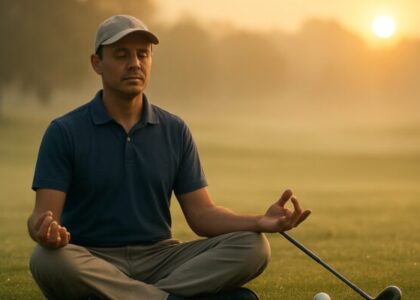
Engaging in visualization is crucial for South African junior golfers, allowing them to envision successful shots on iconic courses in the Highveld region. With the region's unpredictable winds posing challenges to concentration, developing robust mental habits becomes essential. Establishing consistent routines that cater to local conditions empowers juniors to sharpen their focus and elevate their performance.
By integrating daily visualization practices into their training regimen, junior golfers can significantly bolster their mental game. Dedicating a few minutes each day to vividly imagine executing flawless shots on their preferred courses not only nurtures confidence but also prepares them to tackle the distinct hurdles encountered during actual gameplay.
Strategies for Managing Competitive Stress
Young athletes in South Africa can greatly benefit from mastering techniques to handle nerves before provincial competitions. Breathing exercises prove particularly effective, helping players maintain composure amid intense local rivalries and tournament pressures. By mastering these skills, juniors can approach competitions with heightened focus and mental clarity.
Regular practice of stress management techniques can enhance performance during matches. When players learn to regulate their breathing and maintain their center, they can mitigate anxiety, enabling their skills to truly shine. This preparation is vital for achieving success in the competitive realm of South African junior golf.
What Impact Does Environment Have on Mindset?
Adjusting to South African weather patterns, such as unexpected thunderstorms, necessitates that juniors remain mentally agile and focused throughout their rounds. Comprehending how environmental factors can influence their game is crucial for a successful outing. Players must learn to modify their strategies in response to fluctuating conditions, as these can significantly impact their performance.
Being attuned to the local environment aids juniors in sustaining a positive mindset. For example, anticipating weather changes can alleviate stress and sharpen focus. This level of adaptability is essential for young golfers as they navigate various courses across Gauteng and its surroundings.
Effective Training Routines for Local Club Players

Establishing Personal Goals
Junior players at South African clubs can set attainable targets based on their performance at nearby facilities. Defining personal goals allows players to monitor their progress and sustain motivation throughout the season. By concentrating on specific skills or areas needing improvement, juniors can carve out a clear path toward success.
Frequent evaluations of their goals also cultivate a sense of accomplishment. As players hit milestones, they build confidence and feel inspired to stretch their limits further. This structured approach to personal growth is vital for young golfers striving for excellence in the sport.
Planning Effective Practice Sessions
Organized practice sessions at local driving ranges provide young golfers with opportunities to hone their skills while incorporating mental drills tailored to the demands of South African fairways and greens. Careful planning ensures that players concentrate on specific facets of their game, resulting in improved overall performance.
Integrating mental training into practice routines is equally crucial. Dedicating time to visualization and breathing exercises during practice allows juniors to cultivate the mental toughness necessary for competition. This comprehensive approach to training equips them to face the unique challenges that await them on the course.
Benefits of Establishing Routines in South African Golf Settings

- Increased consistency in performance
- Heightened focus during matches
- Less anxiety under pressure
- Superior preparation for local course designs
Implementing structured planning fosters greater consistency and mitigates anxiety during matches played under local guidelines and course layouts. By creating established routines, juniors can enter competitions with a clear mindset, allowing their skills to fully manifest.
How Can Juniors Effectively Manage Pressure During SA Opens?
Pre-Round Preparation Strategies
Arriving ahead of schedule at South African open venues enables juniors to acclimatize to the course layout and adopt a calm approach to each hole. This preparation is vital for managing nerves and fostering a positive mindset before the competition kicks off. By taking the time to explore the course, players can visualize their shots with greater effectiveness.
Gaining familiarity with the terrain and potential obstacles instills confidence in juniors. When players understand what to expect, they can concentrate on their game instead of being distracted by unfamiliar surroundings. This familiarity can markedly boost their performance during the tournament.
Effective Breathing Techniques
Simple breath control methods practiced in South African training environments help juniors steady their nerves when confronted with critical putts on challenging local greens. These techniques enable players to regain focus and composure during high-pressure moments. By incorporating breathing exercises into their routines, juniors can bolster their mental resilience.
Regular practice of these techniques yields long-lasting benefits. When players learn to manage their breath, they can better navigate anxiety and maintain focus throughout their rounds. This skill becomes particularly valuable during pivotal moments in competitions.
Reflecting on Shots Post-Game
Calmly reviewing each shot after play at provincial events cultivates resilience tailored to the South African competitive landscape. This practice encourages juniors to glean insights from their experiences, whether they are positive or negative. By reflecting on their performance, players can pinpoint areas for growth and devise strategies for future rounds.
Post-shot reflection also nurtures a growth mindset. When juniors approach their game with a focus on learning, they are more inclined to view challenges and setbacks as opportunities for development. This mindset is crucial for long-term success in the world of golf.
Expert Insights on Mental Game Strategies for Young Golfers
Adjusting to Local Playing Conditions
Experts emphasize that recognizing the effects of altitude in the Highveld empowers South African juniors to modify expectations and maintain focus over extended rounds. The unique challenges posed by altitude can affect a player’s performance, making it essential to adjust strategies accordingly. This insight can provide juniors with a significant competitive advantage.
Coaches and sports psychologists frequently suggest customized training to address local conditions. By integrating altitude training and specialized drills, juniors can cultivate the mental resilience necessary to excel in South Africa's distinctive golfing environment.
Actionable Guidance for Parents
Creating a nurturing environment at home, particularly near Johannesburg clubs, reinforces positive mental attitudes in young golfers. Parents play a pivotal role in fostering their child's development by promoting healthy habits and providing emotional support. This encouraging atmosphere can greatly influence a junior golfer's performance.
Parents can assist by engaging in discussions about their child's goals and aspirations. By showing genuine interest and understanding, they can inspire juniors to remain focused and dedicated to their training. This support is essential for cultivating confidence and resilience in young golfers.
Real-World Examples of Application
Successful junior programs in South Africa showcase effective mental strategies employed on regional courses. These programs often incorporate mental training techniques, including visualization and goal-setting, into their curricula. By sharing these experiences, juniors can learn from their peers and adopt effective practices.
Stories of accomplished players who have harnessed these mental strategies can serve as motivation. When juniors witness tangible results from their efforts, they are more likely to commit to their mental training. This real-world application underscores the significance of mental game techniques in their development.
What Techniques Enhance Focus on the Fairways?
Practicing Mindfulness During Play
Staying present allows South African juniors to disregard distractions such as wildlife or crowds often encountered at many local golf estates. Mindfulness techniques promote concentration on their game instead of outside influences. This focus can lead to improved performance and a more enjoyable experience on the course.
Practicing mindfulness during play also assists juniors in managing anxiety and maintaining composure. By developing this skill, players can enhance their mental resilience and approach each shot with clarity. This ability to remain present is critical for achieving success in competitive environments.
Developing Consistent Routines
Creating shot routines tailored to South African course designs encourages steady concentration from tee to green. A reliable pre-shot routine allows juniors to concentrate on their process rather than the outcome, alleviating pressure and anxiety. This method enables them to perform at their best during crucial moments.
By crafting a personalized routine, players can establish a sense of familiarity and comfort on the course. This consistency can lead to enhanced performance, as juniors learn to trust their instincts and focus on executing their shots effectively.
How Can Music Enhance Concentration?
Listening to soothing tracks before rounds at Durban area clubs can sharpen mental clarity for juniors participating in lengthy events. Music serves as a powerful tool for relaxation and concentration, helping players adopt a positive mindset before competition. Selecting suitable tracks can significantly improve overall performance.
Incorporating music into a pre-round routine can also instill a sense of familiarity. When players associate specific songs with successful performances, they can boost their confidence and mental readiness. This practice can be especially beneficial during high-pressure situations.
Utilizing Visualization Techniques
Imagining successful shots on the fairways of Cape Town's picturesque courses allows South African juniors to maintain focus amidst the unique challenges posed by local winds and terrain during competitive play. Visualization techniques help players mentally rehearse their shots, bolstering their confidence and enhancing performance under pressure.
Consistently practicing visualization can yield lasting benefits. When juniors regularly envision their success, they become more adept at managing the challenges they encounter on the course. This mental preparation is crucial for achieving their ambitions in junior golf.
Research-Backed Advantages of Mental Game Techniques for Juniors
Greater Scoring Consistency
Research indicates that mental training significantly enhances performance for juniors competing on South African layouts characterized by their unique challenges and undulations. By weaving mental game techniques into their training, players can attain greater consistency in their scores. This improvement is vital for their growth as golfers.
Mental training also nurtures resilience, equipping juniors to recover from setbacks more effectively. As they learn to manage their thoughts and emotions, players can enhance their overall performance on the course. This approach is critical for long-term success in the sport.
Lower Anxiety Levels
Evidence from local programs suggests that players who consistently apply mental techniques experience reduced stress at clubs in the Western Cape region. By practicing mental strategies, juniors can develop coping mechanisms that assist them in navigating the pressures of competition. This decrease in anxiety can lead to improved performance and greater enjoyment of the game.
Ongoing mental training also helps players build confidence in their skills. As they learn to manage their emotions and concentrate on their performance, juniors become more resilient in the face of challenges. This growth is essential for thriving in the competitive landscape of junior golf.
Benefits for Long-Term Development
- Increased enjoyment of the game
- Higher levels of participation in junior circuits
- Improved mental resilience
- Enhanced performance under pressure
Consistent mental skills development leads to greater enjoyment and sustained participation in South African junior golf circuits. By emphasizing mental training, juniors cultivate a lifelong passion for the sport, ensuring they remain engaged and motivated throughout their golfing journey.
Improved Focus and Concentration
Studies from leading South African golf institutions reveal that the consistent use of visualization and breathing exercises enhances focus. This improved concentration translates into better decision-making and resilience during competitive junior events across the country. By prioritizing mental training, juniors can significantly elevate their performance on the course.
As juniors refine their mental skills, they become increasingly adept at managing the unique challenges presented by South African courses. This focus and concentration are essential for success, empowering players to perform at their peak during competitions.
Why Is Visualization Crucial for Young Golfers in Gauteng?
Mastering Course Mapping Skills
Visualizing specific holes at Pretoria venues equips juniors mentally for precise shot selection during actual play. This mental mapping enables players to foresee challenges and devise effective strategies. By sharpening these skills, juniors can tackle each hole with confidence and clarity.
Comprehending the layout of a course through visualization allows juniors to stay focused and composed. When players can mentally navigate the course, they are better prepared to handle the pressures of competition. This readiness is vital for achieving success in Gauteng's competitive golf scene.
Overcoming Challenges and Setbacks
Mental imagery assists South African juniors in swiftly recovering from poor shots encountered on familiar local courses. By visualizing successful recoveries, players can shift their mindset and stay focused on the next shot. This ability to rebound is crucial for cultivating resilience in competitive environments.
Regular practice of mental imagery fosters a growth mindset. When juniors learn to perceive setbacks as opportunities for growth, they are more likely to develop the mental toughness essential for long-term success in golf. This outlook is vital for traversing the ups and downs of the sport.
Benefits of Visualization Training
- Boosted confidence in shot execution
- Enhanced decision-making capabilities
- Increased mental resilience
- Improved focus during play
Enhanced confidence and improved decision-making arise when visualization is practiced consistently in South African contexts. By prioritizing visualization training, juniors can develop the mental skills crucial for success on the course, ensuring they remain engaged and motivated throughout their golfing journey.
Daily Practices to Sustain Peak Performance
Integrating Nutrition and Rest
Well-balanced meals and sufficient sleep are vital for maintaining mental sharpness among juniors training at South African academies. Proper nutrition energizes both the body and mind, enabling players to perform optimally. By prioritizing healthy eating habits, juniors can significantly boost their overall performance on the course.
Alongside nutrition, adequate rest is equally pivotal for sustaining peak performance. Ensuring sufficient sleep allows juniors to recover both physically and mentally, leading to enhanced focus and concentration during play. This holistic wellness approach is essential for young golfers aiming to excel in the sport.
Documenting Progress Through Journaling
Recording reflections after practice sessions at local clubs nurtures ongoing mental growth and self-awareness. Journaling enables juniors to contemplate their experiences, pinpoint areas for improvement, and celebrate their achievements. This practice can enrich their overall mental game and contribute to their evolution as golfers.
By maintaining a journal, players can monitor their progress over time. This self-reflection motivates them to remain committed to their goals and strive for continuous improvement. This ongoing process is crucial for long-term success in junior golf.
Building Supportive Community Networks
Engaging with peers at South African golf facilities strengthens collective resilience and enriches shared learning experiences. Cultivating a supportive community helps juniors tackle the challenges of the sport together. This camaraderie fosters a positive atmosphere that nurtures growth and development.
Participating in group training sessions and discussions can also enhance mental skills. By exchanging experiences and strategies, players can learn from each other and deepen their understanding of the mental game. This collaborative approach is essential for flourishing in the competitive realm of junior golf.
Frequently Asked Questions
What are the essential mental game strategies for junior golfers?
Key strategies encompass practicing visualization, managing competition stress through breathing techniques, and establishing consistent routines. These approaches help juniors improve focus and build resilience on the course.
How can juniors enhance their focus during play?
Juniors can boost their focus by practicing mindfulness, developing shot routines, and listening to calming music before rounds. These techniques assist players in staying present and centered throughout their games.
What role do parents play in shaping a junior golfer's mental game?
Parents can foster supportive environments, encourage open dialogue about goals, and reinforce positive attitudes. Their involvement is vital for building confidence and resilience in young players.
How critical is visualization for junior golfers?
Visualization is crucial as it helps juniors mentally prepare for shots, boosts confidence, and enhances decision-making. Regular practice can significantly influence their performance on the course.
What techniques assist juniors in managing competition stress?
Breathing exercises, thorough pre-round preparation, and post-shot reflection are effective methods for managing competitive stress. These strategies aid juniors in maintaining composure during high-pressure situations.
How can juniors cultivate a growth mindset in golf?
Juniors can foster a growth mindset by viewing setbacks as learning opportunities and focusing on continuous improvement. This perspective encourages resilience and long-term success in the sport.
What advantages do structured practice sessions offer?
Structured practice sessions yield improved consistency, reduced anxiety, and better preparation for local course layouts. They help juniors hone in on specific skills and mental training techniques.
How does nutrition affect a junior golfer's performance?
Proper nutrition fuels the body and mind, enhancing overall performance. Balanced meals support mental sharpness, while sufficient sleep aids recovery and focus during play.
What distractions do junior golfers commonly encounter?
Common distractions encompass wildlife, crowds, and environmental factors such as weather fluctuations. Developing mindfulness techniques can help juniors maintain focus despite these interruptions.
How can community support benefit junior golfers?
Community support fosters resilience and shared learning experiences. Engaging with peers promotes collaboration, motivation, and a positive atmosphere for growth and development in golf.




I really appreciate your insights on visualization techniques for junior golfers. It’s fascinating how such a mental practice can level up their game, especially with the unique challenges posed by the Highveld winds. I remember when I was playing golf in unpredictable conditions; it was so easy to get thrown off just by a sudden gust.